Archive for the ‘Jesus Christ’ Category


Titus – a letter written with a fix for broken churches
Men whose lives display the power of the Living Word and the Presence of the Living Christ!
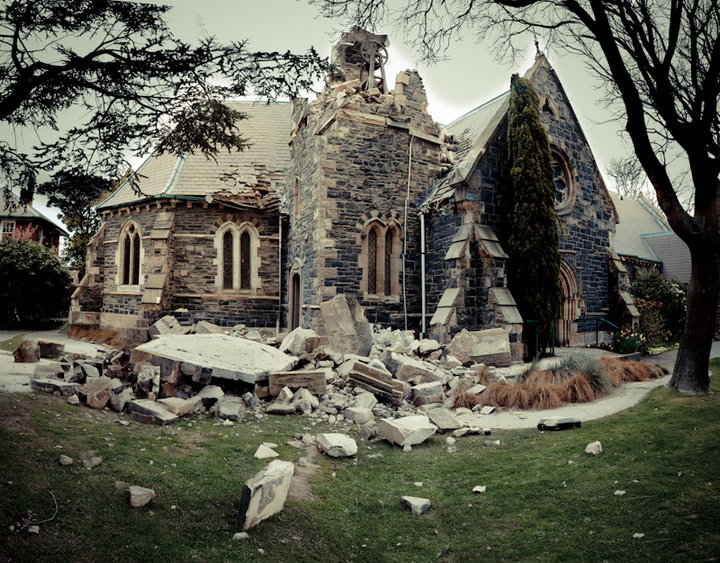
Paul had left Titus in Crete to shore up churches that were “broken” and had gone renegade.

What is a “renegade” church?

  • Church that has allowed self-focus and self-interests to negate the Power of the Word and the Presence of Jesus Christ
  • A self-focused Church is a deserter from the “Body of Christ”

Titus 1:5 This is why I left you in Crete, so that you might put what remained into order, and appoint elders in every town as I directed you—

These churches had not been started by Paul. A short two or three month stop before heading to Rome in Acts 27 was not sufficient to start churches. Besides, Paul was under guarded arrest, awaiting appeal before Caesar. This trip to Crete mentioned in Titus was probably after Paul was released for a couple years. Paul had seen a need among the churches on Crete, and made a point to return and work on fixing the problem. Paul and Titus probably visited Crete sometime between AD 63-67. They preached among the many cities, where churches were already established. What Paul saw led him to leave Titus there to straighten out the “renegade” churches. Paul went on to Greece and sent this short business-like memo to Titus via Zenas and Apollos (3:13). The Letter to Titus is meant to encourage Titus, and to reinforce his mission there on the island of Crete. This memo reveals Paul’s vision of the church, and is foundational for us as we begin GraceLife Community Church. There is no room for churches that do not show forth the power of two spiritual realities-The Power of the Word of God and the Presence of Jesus Christ in their lives. This is the test that Paul applied to healthy churches, and the churches on Crete had failed. They were not influencing the culture of Crete with the power of the Gospel. Rather, the churches were becoming infected with the Cretan way.

Paul charged Titus with an “Elder-Fix”

Two Forces were at Work on Crete

  • The Cretan Island Culture
  • The Gospel of Jesus Christ

These first churches started on Crete when those who were saved at Pentecost returned home. Acts 2:11 records that Cretans were in the audience when the tongues of fire fell upon the disciples. They heard the mighty rushing wind. They cried out “what must we do to be saved?” They repented, came to Christ and were baptized. They went home, told other Cretans, and churches were born.

Something happened to these churches. Instead of growing into Christ, and effecting the culture of the communities around them, the Cretan island culture crept into the churches. They became “broken” as far as demonstrating the power of Christ. Churches went renegade, and Paul wanted to correct the problem.

Crete was called the island of a thousand cities. Evidently they could not get along with each other, could not trust each other, and as a result, would get mad and move and start a city somewhere. This happened with the churches as well. People would get upset and leave to form their own church in a city nearby. Because the churches had become infected with the Cretan Island culture, they were benign when it came to changing people’s lives. The Gospel of Christ had become of no effect.

The character of Cretans was well known in Paul’s day. Just as saying to Corinthianize meant to prostitute, to call someone a Cretan was to say they were liars and not to be trusted. Putting labels on people is nothing new. There were no red-necks in Paul’s day, but there were Cretans.

God’s solution to confront godless culture has always been MEN! God used Noah to rescue His creation. God used Abraham to counter a society of idol-worship. God used Judges to restore order and worship to people who had forgotten the power of God. God used Elijah to stand against a godless nation. God used John the Baptist to prepare a nation for His Son. God

The Church combats Culture & Division with Christ-Led Elders

Set things in ORDER – things that are lacking, failing

„  Picture of a Physician setting broken bones.

Elders were needed because things were broken, things were lacking, things were absent and the churches were failing.

If you have ever broken a bone, you know how painful it can be. I was moving a concrete stop block that weighed over 80 pounds, and dropped it on my foot. It shattered my big toe. The ER Doctor showed me the X-Ray and said there was not much he could do, as it was shattered in several pieces. So he molded it back together as best he could. Now if it had been my arm or leg, you know they would have used as many pins and screws to get it back to normal.

These churches may have known something was wrong, but they needed Dr. Paul to set things right!

In Paul’s short stay on Crete, he saw that the churches were failing to present the true LIFE of Jesus Christ on the island. The churches were failing to impact the culture around them.

1. Christ-led Elders were the “fix” to broken churches.

Titus 1:5-9 indicates how “elders” are the fix to a broken/renegade church. More correctly, an elder team is the solution. But these elders should be of a certain mold. They must be cut from the same cloth. They must exhibit the LIFE of Christ that is within them. Elders are to be the spiritual “Father’s” of the church. They are to be examples of the Living Christ to their people. The Elders are to be the watchful father’s over the church family, fiercely loving and fiercely protective.

If you think of the church community as a flock of sheep, the elders are a team of pastors, shepherds who make sure those sheep are fed by day and protected by night.  They ensure the nourishment of the sheep.  They will kill any wolf that comes near.

Furthermore, the elders will serve as the vanguard for the invasion of Christianity on Crete! The Cretans had an ugly reputation, and it was showing in their churches. They were not influencing the culture, but the culture was impacting the churches.

Do your actions and personal habits, honesty at work bring curiosity to others about the God you worship?

2. Churches need Men who Live in Christ if they hope to manifest a Living Christ to those around them.

Paul described these men as “blameless” or “above reproach”.

The Greek word for without one single fault (above reproach) is: anégklētos, it means making legal charges against someone in a court of law, but the person is not convictable when a person is properly scrutinized.

Titus 1:6-7(ESV) if anyone is above reproach, the husband of one wife, and his children are believers and not open to the charge of debauchery or insubordination. For an overseer, as God’s steward, must be above reproach. He must not be arrogant or quick-tempered or a drunkard or violent or greedy for gain,

Titus 1:6-7 (KJV) If any be blameless, the husband of one wife, having faithful children not accused of riot or unruly. For a bishop must be blameless, as the steward of God; not selfwilled, not soon angry, not given to wine, no striker, not given to filthy lucre;

There are several Greek words for blameless

  • amémptōs <G274>, unblamed.
  • ámōmos <G299>, unblemished, unspotted.
  • áspilos <G784>, without spot;
  • anégklētos <G410>, legally irreproachable;
  • anepílēptos <G423>, irreprehensible, one who cannot be caught and accused[1]

Who is Blameless in the Bible?

„  Noah was blameless – Gen 6:9 (upright, perfect)

„  Abram was blameless – Gen 17:1

„  Jews were to be blameless when it came to following sorcery and fortune-tellers in the Promised land.

Deuteronomy 18:13-14 You shall be blameless before the LORD your God, for these nations, which you are about to dispossess, listen to fortune-tellers and to diviners. But as for you, the LORD your God has not allowed you to do this.

„  David described himself as blameless – 2 Sam 22:24-33

„  The Eyes of the Lord run to and fro looking for the man whose heart is blameless toward Him (2 Chron 16:9)

„  Job was a blameless man – Job 1:1

„  Satan was blameless before God, until sin was found in him – Ezekiel 28:15

„  Daniel was blameless – Dan 6:22

„  Zechariah and Elizabeth were blameless – Luke 1:6

„  The Corinthians were called blameless by Paul

1 Corinthians 1:8 Who shall also confirm you unto the end, that ye may be blameless in the day of our Lord Jesus Christ.

„  You and I are even called blameless

Ephesians 1:4 even as he chose us in him before the foundation of the world, that we should be holy and blameless before him.

Philippians 2:14-15 Do all things without grumbling or questioning, that you may be blameless and innocent, children of God without blemish in the midst of a crooked and twisted generation, among whom you shine as lights in the world,

Paul described himself as blameless under the righteousness of the law  (before he came to Christ) – Phil 3:6, yet described himself as the chief of sinners after he came to Christ.

From the list above, we can become confused about who is blameless. Clearly some of these people had serious character defects. Noah got drunk, Abram lied twice to protect himself, and had sex with Sara’s handmaid, David was an adulterer and a murderer, the Corinthians were divided and tolerating gross moral sin. The one man whom I would consider the most blameless, Paul, considered himself the worst sinner alive. Who then is blamless?

About Blamelessness
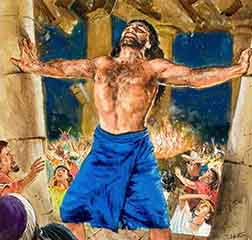
Hebrews 11 is a great chapter about blameless men, men who knew the Living God, men and women who saw Him by faith. Anyone of these men (or women) I would love to have as an elder in my church (except Samson, because he scares me).

Hebrews 11:13-16 These all died in faith, not having received the things promised, but having seen them and greeted them from afar, and having acknowledged that they were strangers and exiles on the earth. For people who speak thus make it clear that they are seeking a homeland. If they had been thinking of that land from which they had gone out, they would have had opportunity to return. But as it is, they desire a better country, that is, a heavenly one. Therefore God is not ashamed to be called their God, for he has prepared for them a city.

They are giants of the faith because they dared to see the invisible. They dared to believe the impossible. They set God before them in their life’s journey.

They were not perfect, they made their mistakes, but they were blameless because they lived by faith in God and they did not allow the godless culture around them to drag them down. In fact, their home was not of this world. They looked for the city of God! But something amazing and even unbelievable is written in Hebrews 11:39-40.

As blameless and upright as they were, they cannot be made perfect without you and me!

Hebrews 11:39-40 And all these, though commended through their faith, did not receive what was promised, since God had provided something better for us, that apart from us they should not be made perfect.

Why? Because none of us is blameless and perfect without Jesus Christ! He is the something “better”! We share in the heritage of these giants of the faith when we by faith walk and live in Jesus Christ. We are BLAMELESS in Christ!

Blameless Men are first and foremost Living in Jesus Christ!

Jesus was called amomos-no internal sin and aspilos-no external sin, but was never called amemptos (without accusation or reproach), because Jesus said in Luke 6:26 – “Woe unto you when all men shall speak well of you”

Although our Lord in 1 Pet. 1:19 is called ámōmos, without internal sinfulness and spot, and áspilos, without external sin or spot, He is never said to be ámemptos, without accusation or reproach, as He Himself taught in Luke 6:26: “Woe unto you, when all men shall speak well of you.” Although He Himself was without internal and external spot or blemish, yet there were those who spoke evil of Him or who brought momphé <G3437>, blame, against Him which led to His death.[2]

With regard to Titus, he was to ordain Elders who had exemplary lives as far as their civil obedience and family commitment. The Overseers of the Church are to be living examples of the blamelessness of Jesus Christ.

„ Any righteous man regardless of faith in Christ can pass an FBI ‘vetting’ process. „ But can you pass the GOD vetting process? Only if you are living in the power of the righteousness of Jesus Christ!

 1.  True Blamelessness is only in Jesus Christ (on the inside)

  • 1 Thessalonians 3:12-13 and may the Lord make you increase and abound in love for one another and for all, as we do for you, so that he may establish your hearts blameless (amemptos) in holiness before our God and Father, at the coming of our Lord Jesus with all his saints.

2.  True Blamelessness is only through Christ (on the outside)

  • Colossians 1:22 he has now reconciled in his body of flesh by his death, in order to present you holy and blameless (amomos) and above reproach (anenkletos) before him,

3.  True Blamelessness is to those who are diligent to abide in Christ (before men)

  • 2 Peter 3:13-14 Nevertheless we, according to his promise, look for new heavens and a new earth, wherein dwelleth righteousness. Wherefore, beloved, seeing that ye look for such things, be diligent that ye may be found of him in peace, without spot, and blameless.
  • Jude 1:24 Now to him who is able to keep you from stumbling and to present you blameless (amomos) before the presence of his glory with great joy,

Elders are diligent to abide in Christ

Five descriptors tell what blamelessness is not; while seven descriptors tell what blamelessness is.

  • „Blameless as a man, and blameless in his office (bishop is an office)

Paul puts these in the form of a list, because he’s talking to Greeks.  Paul’s list shows his awareness of how the Greeks communicated virtues.  Had he been talking to a predominately Hebrew culture, he would have communicated this in the form of a parable (as Jesus did in Luke 12:42, “Who is the faithful and wise manager?”).  Elders were to be upright, not liars; holy, not evil brutes; and disciplined, not addicted gluttons. They were to be examples of what the culture was not.

1.  MUST BE A GODLY LEADER OF HIS FAMILY

Titus 1:6-13 If any be blameless, the husband of one wife, having faithful children not accused of riot or unruly.

It may sound ironic, but when a leader puts his family first, the community benefits.  When a leader puts the local community or the church community first, both his family and the community suffer.  Titus 1:6 insists (along with 1 Timothy 3: 5) that starting at home is always the key to affecting others in a positive way.  Leading one’s household well gains credibility to lead the family of God.  You don’t need an MBA to manage God’s church; but you do need a mature marriage and strong parenting skills.  (Maxwell 2007, 30)

It is inaccurate to think of the elders primarily as a board of directors overseeing a 501(c)3 tax exempt non-profit organization; or some religious version of a for-profit corporation.  It is misguided to think of the eldership like the United States Senate, or some power-based body.  When we do that, we will inevitably get frustrated at the comparison because the church will seem so back-woods.  We read Titus 1 about the elder being the husband of one wife and children who must not be incorrigible.  We think, “What’s up with that?  What’s Paul got against women?   And what does parenting have to do with knowing how to run an organization?”

Fundamentally, the church is a family.  In Titus, local churches met—not in mortgaged facilities—but in homes!   Titus 2 lists the typical groups in a family structure!   So, the church is a family.  God’s plan for the organization and leadership of the local church family is derived from His plan for the organization and leadership of the nuclear family.  As husbands/fathers in marriage/family have been divinely called as servant-leaders to initiate in providing and protecting the family entrusted to them, so such godly husbands/fathers are divinely called to the stewardship of providing and protecting the spiritual church family.   The family and the church family are the only two places where God has called and expects godly, Cross-bearing, Christ-focused husbands/fathers to be the initiating servant-leaders.   Headship is not about “calling the shots” or being “bossy” or “getting the final say” or having the “final word”; headship is the divine calling to be the first to be nailed to the cross.  To be the first to feed the sheep, protect the sheep, and stay up all night to watch the sheep; and if need be, lay one’s life down for the sheep. Furthermore, a spiritually healthy eldership will ensure that all the gifts from all the believers—children, students, women, men—are being fully utilized for the building up of the entire church family! 

2.  MUST BE DILIGENT STEWARDS OF GOD

For a bishop must be blameless, as the steward of God;

a.  THE DON’TS:

    • „ not self-willed,
    • „ not soon angry,
    • „ not given to wine,
    • „ no striker,
    • „ not given to filthy lucre;

b.  THE DO’S

    • „ But a lover of hospitality,
    • „ a lover of good men,
    • „ sober,
    • „ just, (conformance to man’ laws)
    • „ holy, (conformance to God’s laws)
    • „ temperate;

3.  MUST BE A TEACHER & DEFENDER OF THE WORD

„ Holding fast the faithful word as he hath been taught, that he may be able by sound doctrine both to exhort and to convince the gainsayers.

Elders are to protect believers from false teaching by teaching sound doctrine and refuting inaccuracies about Christ and the Gospel. The Gospel that has transformed these elders!  They’d better master that which has mastered them!   Those who were once foolishly enslaved, and deceived (3:3) have been changed by the best news ever—the Grace of God has appeared!  Grace has come to prodigals and predators—and now some of them are elders!  Only Jesus can do that!  

4.  WHY ELDERS?

Only a transformed liar can reach other liars. Only one who stands against the culture can transform the culture.

For there are many unruly and vain talkers and deceivers, specially they of the circumcision: Whose mouths must be stopped, who subvert whole houses, teaching things which they ought not, for filthy lucre’s sake. One of themselves, even a prophet of their own, said, The Cretians are alway liars, evil beasts, slow bellies. This witness is true. Wherefore rebuke them sharply, that they may be sound in the faith;

Our culture needs rescuing. Our society is failing. We need men and women of faith, not afraid to see Him who is invisible, Not afraid to follow Him who the world mocks and jeers at. Not afraid to stand counter to their culture, to show them the way to Jesus Christ.

The people are going down a slippery slope, after money, after themselves. They need to see visible evidence of the power of Jesus Christ!
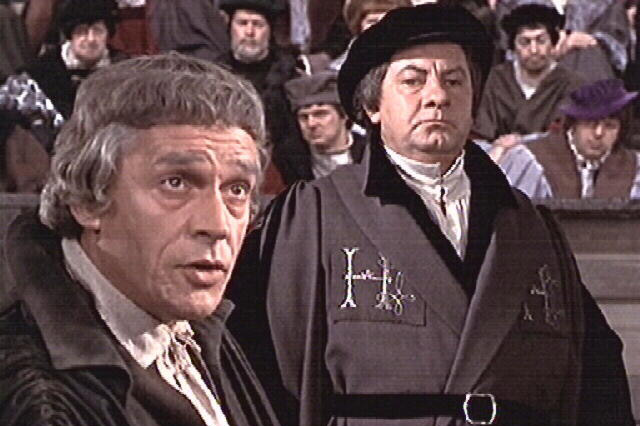
Sir Thomas More, Lord Chancellor of England in the early 1500’s was known as the man for all seasons, for he stood against King Henry VIII who made a mockery of the church and divorced Catharine of Aragon for Ann Boleyn. His stand cost him his head, but his influence upon the politics of England endured for centuries. He was called the man for all seasons!

Elders are men for all seasons! In season, out of season, they stand upon Jesus Christ. They hold fast to His Word. They follow Him who is invisible!

Reinhold Messner became famous as the first person to climb Mt Everest without supplemental oxygen. In fact, he has climbed all 14 mountains over 26,000 feet without oxygen.

Yet, one day between his conquests, he found himself locked out of his house, and was climbing his fence to reach an upstairs window when he fell, injuring his leg. I thought to myself, here was a man who could conquer mountains, but could not conquer his home. We need men of God who lead their homes in following God, and in so doing, they conquer the world with the Power of Christ!

What good does it do if he succeeds in the world but fails at home? God needs men of the Word who conquer at home, live Christ at Home, raise families devoted to God’s Word and change the godless culture of the world around them!


[1] Spiros Zodhiates, The Complete Word Study Dictionary – New Testament, (Chattanooga, TN: AMG Publishers, 1993), WORDsearch CROSS e-book, Under: “ámemptos”.

[2] Spiros Zodhiates, The Complete Word Study Dictionary – New Testament, (Chattanooga, TN: AMG Publishers, 1993), WORDsearch CROSS e-book, Under: “áspilos”.


God is a Life or Death choice…

God is the definition of life. God is all about life. When he created this world He placed life on it and said go forth and be fruitful and multiply. He set a tree of life at its center. Satan came along and struck at the very heart of God by setting death loose. Satan is all about death and decay. Sin is death and decay. When man lives without setting God before Him as God, man is apart from life. Whether you are Christian or not, Muslim or not, Mormon or not, the choice as far as God is concerned, is life or death. God’s way always leads to life. Man’s way always leads to death. LIFE IS A CHOICE!

Deuteronomy 30:19-20 I call heaven and earth to witness against you today, that I have set before you life and death, blessing and curse. Therefore choose life, that you and your offspring may live, loving the LORD your God, obeying his voice and holding fast to him, for he is your life and length of days, that you may dwell in the land that the LORD swore to your fathers, to Abraham, to Isaac, and to Jacob, to give them.” Joshua led the Israelites into the promised land.

Christ is the Life of man!

Jesus said that He is the life, that He is the only way to God the Father. While many of us have come to Jesus Christ to obtain eternal life, many of us have failed to take hold of the LIFE that Jesus wants us to live NOW! It is a life that is not dependent upon your sight, your flesh, your strength, or your wisdom. It is a LIFE that through faith and the Word sees Jesus Christ ever before you, living in you, living through you and living for you.

Galatians 5:25 says that if you have life by the Spirit, then walk by the Spirit!

I want to begin a study toward the end of the New Testament. Today we look at Titus. If the Lord leads we will spend the next two years walking toward Revelation. Wednesday’s we will begin in Genesis and walk through the Old Testament. From time to time we will join the two together, as I will this morning, as I tie Hosea 4:6 to Titus 1:1-4

Destroyed (silenced) for a lack of knowledge

Hosea 4:6 My people are destroyed for lack of knowledge[1],[2]; because you have rejected knowledge, I reject you from being a priest to me. And since you have forgotten the law of your God, I also will forget your children. 

Spoken to the PRIESTS! They were not making sure the Jews were experiencing God in the reality of everyday living! (This knowledge used is that which comes from an encounter and experience. They probably knew scriptures, participated in memory drills, had the scriptures hanging on their walls, but they had long ago stopped having a fresh encounter with the author of the Scriptures.)

The background of their sin was a lack of an encounter with God through His Word. “My friend, if you are a Christian, the minute you get away from the Word of God, you are doomed to failure in the Christian life. Regardless of the number of conferences or seminars you attend that tell you how to be a success in your home, in your business, and in your social life, you will be a failure”.[3]

Man’s way – failure and death

Proverbs 14:12 There is a way that seems right to a man, but its end is the way to death.

My people are silenced for lack of knowing me!
  • (knowledge and discernment which comes from an experience or encounter)
1. The people are lacking in their relationship with God.

Hosea 4:1 …There is no faithfulness or steadfast love, and no knowledge of God in the land;

  • „ Neglect, busyness, priorities, excuses, hurts.
  • „ God is ignored, forgotten, neglected and even spurned.
2. Neglect turns into rejection of God and His ways
  • „The pull of this world system is too powerful
  • Our hearts are too deceptive
  • Our heart gets cold, our faith is stale.
  • We go through our day without a fresh touch from God.
  • We barely hold on to believing faith
  • We live the majority of our lives without Him.
3. Rejection of God leads to Him rejecting you.
  • „ No longer a priest, able to go directly to Him
  • „ You have lost your standing, your voice.
  • „ Your heart has become a barrier to a living relationship with God.
  • „ Your pride has become a brick wall.
  • „ God is a jealous God. He must be first, or He will move on.
 4. You will be Silenced
  • „ Overcome, cut off, made to cease– silenced.
  • „ No longer have a voice
  • „ Doesn’t necessarily mean death-but rather you have lost your significance with God.
  • „ The Jews would lose their voice and blessing from God.
  • „ God left them to their own devices.
5. God will forget your children.
  • „ Through your forgetting of the Law of God in your life and home…
  • „ God will forget your children.
  • „ Your children will not matter with God.
  • „ His grace will not be at work in their lives.
  • „ They will not hear God’s voice.
  • „ They will not encounter God in their lives.

Hosea 4 indicates what happens when we forget Him. Our worship becomes comfortable and convenient. We worship other things. The family breaks down. There is great immorality among the youth. Wives become immoral. Marriage becomes a joke. The family breaks down.

Proverbs 1:29-31 Because they hated knowledge and did not choose the fear of the LORD, would have none of my counsel and despised all my reproof, therefore they shall eat the fruit of their way, and have their fill of their own devices.

What is God’s Way? – Success & Life!

The major thrust of Titus, while bearing on our relationships, is really upon  personal character and lifestyle which grow out of the truth. God’s Word is to be encountered, for it will change your character. Christ in you will result in a new Jim or Larry or Beth or Mary. God’s Word is never empty, but always leads to LIFE!

True LIFE is never apart from God, but in God!

Titus 1:1-4 Paul, a servant of God and an apostle of Jesus Christ, for the sake of the faith of God’s elect and their knowledge of the truth, which accords with godliness, in hope of eternal life, which God, who never lies, promised before the ages began and at the proper time manifested in his word through the preaching with which I have been entrusted by the command of God our Savior; To Titus, my true child in a common faith: Grace and peace from God the Father and Christ Jesus our Savior.

A. Paul-Focus on the Living Savior

Paul opens the veil of his life. He wants Titus to know the motivation of his life and ministry. He reminds Titus that he has the imprint of two indelible marks upon his life.

1. He is a bond-servant to God

2. He is an apostle of Jesus Christ, personally commissioned by Him.

Everything about Paul’s life bore those two marks. Everywhere he went, people knew that Paul belonged to God, and that he was representing a living Savior, whom Paul personally knew and spent time with. People could ignore the message, but they could never forget the man. Paul belonged to God, and Paul knew Jesus Christ. There was no denying that Paul was not his own. You had to be impressed with the effect that Jesus had on Paul’s life. This message to Titus is all about how the truth of Jesus Christ changes your life. The Life of Jesus impacts your life.

Paul once though he was alive. But he realized he was dead to God.

Eph 2:1 –you were dead in trespasses and sin.

Paul saw Jesus Christ on that road to Damascus. When he saw Jesus as the Christ, his life was forever changed.

B. Paul-with a Message of Life

1.    For the sake God’s elect

a)  For their faith

b)  For their knowledge of the truth

Paul desires us to see God, to see Him at work in our lives. This only grows through fresh encounters with the Word of truth.

What are you facing in your life that has you boxed in? Instead of your problem driving you to God’s word, you spend your time arguing, your sleeping time frustrated. There is no peace. Faith opens your eyes to see God in whatever situation you are struggling with. Without the Word of truth, your eyes will be shut.

2.    For the hope of Eternal Life

a)  Promised by God

b)  God never lies

God has always focused on LIFE God is jealous for me to experience life! Not a frustrated, defeated life, but a victorious, joy-filled life!

Look at God’s Love for LIFE!

  • In the Garden of Eden

„ God guarded against all that which of Life would destroy life.

„ After the fall, God had to guard life by casting man out

  • The Tree of Life will be in heaven-yielding fruit once a month

„ Sin has been dealt with

„ Only those who know life through Jesus will be allowed to eat.

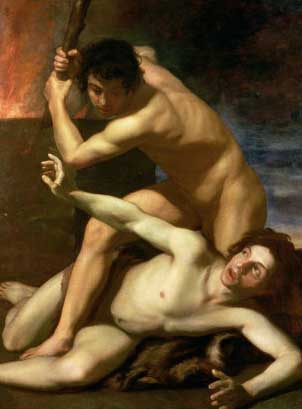
  • Cain and Able

„ Blood cries from the ground

„ Cursed Cain for taking life

  • Noah

„ Genesis 9:6 “Whoever sheds the blood of man, by man shall his blood be shed, for God made man in his own image.

„ You will never gain by taking a man’s life. You will lose

  • Enoch

„ Walked with God and had life

  • Abraham & Isaac

„ Isaac must come into death so death can be destroyed,

„ God’s purpose is that death is past, and not future.

„ God wants us to always have life without fear

„ In Christ, death is past, life is now and in the future

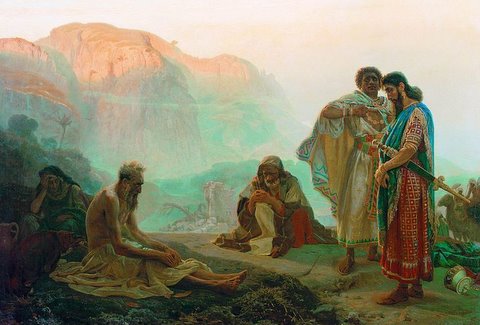
  • Job

„ Satan: “Skin for skin, yea, all that a man hath will he give for his life. But put forth thine hand now, and touch his bone and his flesh, and he will renounce thee to thy face.”

„ God: “… Only spare his life.”

„ Controversy for life is the theme of Job

„ Satan could only indirectly try to take Job’s life: Satan’s indirect method is to move Job to break with God by cursing Him, so that his life is forfeited and destroyed

„ With God is life, even from trials.

„ Trials with God always lead to increase!

„ Trials always lead to Revelation 22

Revelation 22:1-4 Then the angel showed me the river of the water of life, bright as crystal, flowing from the throne of God and of the Lamb through the middle of the street of the city; also, on either side of the river, the tree of life with its twelve kinds of fruit, yielding its fruit each month. The leaves of the tree were for the healing of the nations. No longer will there be anything accursed, but the throne of God and of the Lamb will be in it, and his servants will worship him. They will see his face, and his name will be on their foreheads.

  • The Exodus

„ Life in the face of death

  • Levitical Laws of Life

„ Always about protecting life and health

„ Guarding the life of the family and nation.

„ Don’t drink blood…

Life Is Sacred To God, And He Is Intensely Jealous Over It.
God wants us to LIVE, but LIFE is in GOD! In order to know true LIFE, we must die to our self and LIVE to God through Jesus Christ! This way, death will be past. There is no more fear of death, for we will experience God’s LIFE forever!
Sin And Death Always Go Together Just As Righteousness And Life Go Together

There is a way that seems right to a man.

I was asked to go talk to a step-father-in-law by one of the gals at EBC. He was a KS Highway Patrol officer, close to retirement, whose job it was to investigate accidents. He had seen every imaginable thing-gory, bloody and horrendous. He was a functional alcoholic. It was 9:30 Saturday morning, and I could smell the alcohol on his breath. We started talking about God in his front yard, where he was doing some yard work. He very quickly turned the conversation to his standard answer-God is everywhere. God is in the trees, in the flowers. He felt close to God when he was working in his yard.

When asked about his relationship with God’s Son, he said that he has God and that is good enough. In reality, while he though God was all around him, God had forgotten him, and life was escaping him. Death was his life now, for he did not know God in reality. His sins had not been forgiven. The pain of his life was being drowned out by alcohol. He was fooling himself. His ways seemed right, but they were the ways of death. He had been deceived.

Genesis 3:13 Then the LORD God said to the woman, “What is this that you have done?” The woman said, “The serpent deceived me, and I ate.”

Satan is a deceiver. Eve ate because she wanted to be like god. Instead she became like the serpent, cursed and with a death sentence upon her.

Chose life or chose death. You may think you have life, even surround yourself with life, but you are deceived. You are facing death.

There is only one who faced death and conquered it. There is only one who defeated sin, and satisfied the righteous demands of our Holy God.

Jesus Christ, the way the truth and the life. No man comes to the Life of God but through Him!

If life is in Christ, don’t you want to know more of Him?

If you are not satisfied with your life, you need to know Jesus Christ in a living way! Christ is the Life of Man!

[1] daʿat̠: A feminine noun meaning knowledge, knowing, learning, discernment, insight, and notion. The word occurs forty of its ninety-one times in Proverbs as one of the many words associated with the biblical concept of wisdom. The root meaning of the term is knowledge or knowing. In Proverbs 24:3, 4, it is the third word in a chain of three words describing the building of a house by wisdom, the establishment of that house by understanding, and finally, the filling of the rooms of the house by knowledge.

The word is also used in the sense of knowing by experience, relationship, or encounter. For example, Balaam received knowledge from the Most High who met him in a vision (Num. 24:16); the knowledge gained by the suffering Servant of Isaiah justified many people (Isa. 53:11); and to truly know the Holy God leads to real understanding (Prov. 9:10). This moral, experiential knowledge of good and evil was forbidden to the human race in the Garden of Eden (Gen. 2:9, 17). Warren Baker and Eugene Carpenter, The Complete Word Study Dictionary – Old Testament, (Chattanooga, TN: AMG Publishers, 2003), WORDsearch CROSS e-book, 245.

[2] The word meaning “knowledge” in Hebrew is daʿat, a noun coming from the root of the verb yadaʿ, “to know,” “to experience,” “to acknowledge.” This key word in the Old Testament includes both intellectual and experiential knowledge. The noun for knowledge, daʿat, also has this range of meaning.. Carpenter Eugene E. and Comfort Philip W., Holman Treasury of Key Bible Words: 200 Greek and 200 Hebrew Words Defined and Explained, (Nashville, TN: Broadman & Holman, 2000), WORDsearch CROSS e-book, 106.

[3] J. Vernon McGee, Thru The Bible with J. Vernon McGee, (Nashville, TN: Thomas Nelson, 1983), WORDsearch CROSS e-book, Under: “Chapter 4”.
Do You See Jesus?

Posted: September 1, 2012 in Jesus Christ
Tags: , , , , , ,

John 5:39 You search the Scriptures because you think that in them you have eternal life; and it is they that bear witness about me,

When Jesus spoke these words in the Temple, there was no New Testament. He was speaking of the Old Testament. What could He have been referring to?
Certainly we see “Types”, Christophanies, prophecies and even Messianic Psalms. Is there something more that He is referring to, something more than simple scriptural references? After all, he told the Pharisees, “you will not come to me that you might have life!” Is He referring to something the people in the Old Testament world could see?

Paul makes an amazing statement about the rock from which water burst forth when Moses struck it with the rod.

1 Corinthians 10:4 and all drank the same spiritual drink. For they drank from the spiritual Rock that followed them, and the Rock was Christ.

Paul makes a statement overlooked by most, that this rock “followed them!” This would have to be a huge rock from which millions of gallons of water would flow. How could it have followed the Jewish wanderers? How could they have seen the Rock as God’s Son?

Jesus makes another “wild” statement in the Gospel of John.

John 8:56 “Your father Abraham rejoiced that he would see my day. He saw it and was glad.”

He says that Abraham “saw His day”, meaning that Abraham saw the coming of Jesus Christ! What did he see?

Moses “considered the reproach of Christ greater wealth than the treasures of Egypt, for he was looking to the reward.”(Hebrews 11:26) What did the writer of Hebrews mean? Did Moses see Jesus Christ like Abraham?

Peter preached on the day of Pentecost that David “foresaw and spoke about the resurrection of the Christ, that he was not abandoned to Hades, nor did his flesh see corruption.”(Acts 2:31) Did David see Jesus like Moses and Abraham?

Even the Prophet Isaiah prophesied “these things because he saw his glory and spoke of him.” (John 12:41)

God revealed His Son throughout the Old Testament, but only those with eyes of faith could see Jesus Christ. Christ appealed to the Pharisees who were diligently studying the Scriptures, but were blind to His very presence. Millions upon millions have been exposed to the Scriptures, but how many have truly seen Jesus Christ? What about you? Have you seen Jesus Christ? Has your life been changed by that heavenly vision? Does He live in your life? It matters not your intelligence or knowledge of Scriptures. What matters is “have you seen Jesus Christ?” He has been throughout the world for all time, yet few there are that have truly seen Him. You cannot see Jesus without your life being eternally impacted. Just ask the thieves crucified beside Jesus. One looked and blasphemed. One saw and was saved. Are you looking or are you seeing? Jesus is LIFE only to those who truly SEE Him!Image


Sometimes I feel alone in my struggles. I know other folks feel that way, because they have told me. Friends seem to have forgotten us, we feel isolated, the Word of God is dry and comfortless and our prayers seem to hit the ceiling and bounce back. I do not struggle with depression, but I know many people that do. I usually tell them to make a list of all the things and people they are grateful for, and even to write letters to people expressing their thanks. But still they struggle. No matter how much “Bible” we know, no matter how much serving we do, sometimes we just feel alone, or “blah” or “blue” or “empty” or ___________… just fill in the blank. We can’t put it into words. At the root of it all, God seems distant…

When God seems Absent

I ran across a verse that I knew about, but the Holy Spirit used it to shout at me.

2 Chronicles 32:31 And so in the matter of the envoys of the princes of Babylon, who had been sent to him to inquire about the sign that had been done in the land, God left him to himself, in order to test him and to know all that was in his heart.

If I could offer some encouragement to you, allow me to pass on some light and truth…Whenever you are going through whatever you are going through, do two things.

1. Thank God for testing your heart.

2. Look to God and (after doing a heart check) tell Him you will never desert Him.

God does leave us at times. I know that runs contrary to what preachers tell us, but, even though the Holy Spirit indwells us, sometimes He leaves us alone. God wants to know what is really in our heart. Picture Peter being led out of the prison. As soon as the Angel got Peter to the road, a safe distance form the guards, He left him. The Angel disappeared. Peter was free to do whatever his heart wanted. He could have fled, but Peter chose to join his friends, to tell them the good news.

God was with David, and while David was on the run, God protected him from Saul and encounters with the Philistines. But when David lived among the Philistines, God seemed to leave him. Finally David reached that horrible moment in Ziklag, when his wife and children had been kidnapped, his possessions burnt, and his mighty men had taken up stones to kill him. At that moment God saw what was in David’s heart. David encouraged himself in the Lord!

God wants our heart to be His! Even in distress, sorrow, hardship and yes, when we feel all alone. He is always watching, He is always waiting, and He is always wanting you to give your heart to Him. No coercion, no gifts attached. He wants you to give your heart to Him simply because He is God.

When you have those moments, or days, weeks or even months of feeling alone, discouraged, and even abandoned…look up to God and realize He is looking at your heart. He wants to know what is in your heart. When you realize God always has purpose, even when you feel He has left you, stop looking within and look at Him! Do a heart check, and shout out with David:

I will never forget your precepts, for by them you have given me life. I am yours; save me, for I have sought your precepts. (Psalm 119:93-94)

Even when you feel God has left you, do not leave Him. Declare “I am yours!” Remember, God wants to see what is in your heart.

Fools say in their heart, “there is no God. (Psalm 14:1)

Wise men say “My flesh and my heart faileth: but God is the strength of my heart, and my portion for ever.” (Psalm 73:26)

How did David survive an impossible calamity? How will you survive those times of personal struggle? How will you go on to excel and overcome like David. The answer is revealed in Psalms 57, when David barely escaped from King Saul in the cave. David wrote:

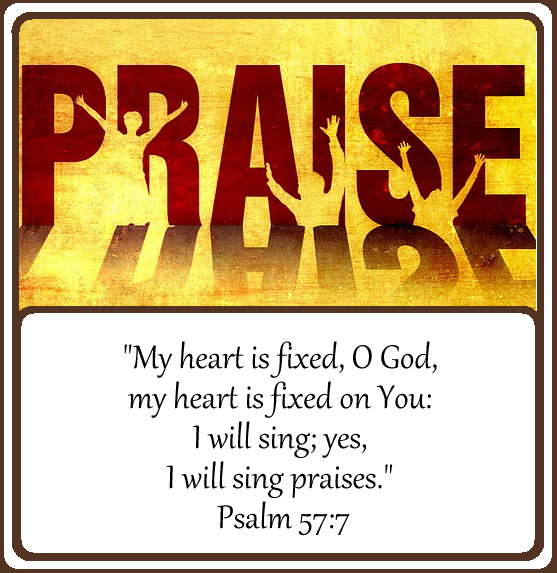
My heart is fixed, O God, my heart is fixed: I will sing and give praise. Psalm 57:7 

My Heart is Fixed

Is your heart fixed on God? Is your heart firmly in God, even when you feel alone and abandoned? How about when you have suffered a horrible loss? What about when your friends want you dead? Is your heart still fixed on God then?

This is what God wants. He wants your heart to be firmly fixed upon Him, even when you have lost it all!

If your heart is fixed in the bad times, God will “FIX” your heart for all your times! Will you pass His test? Learn to worship Him at all times, even when He seems to be absent!


Consider the Importance of Clothes

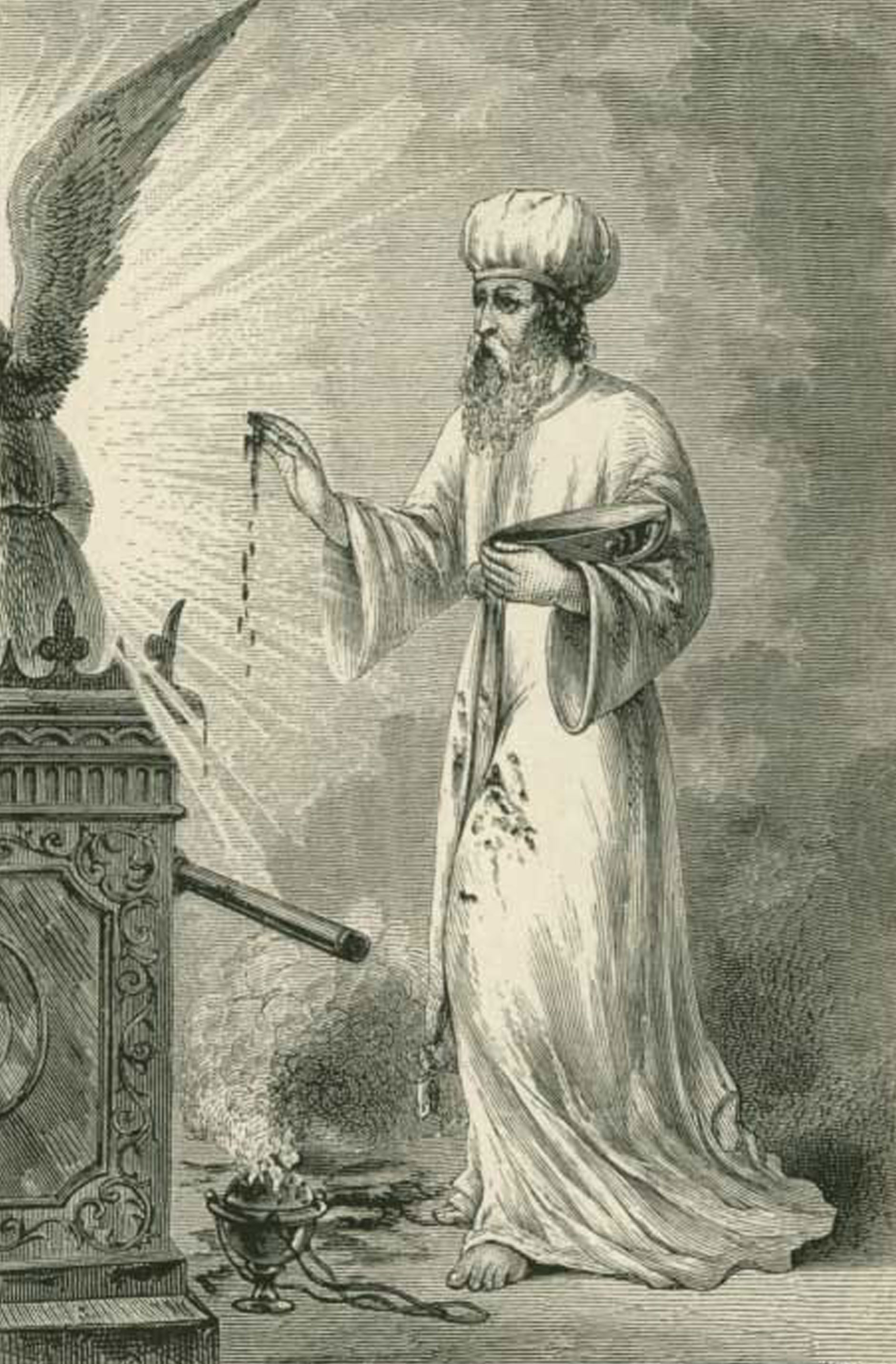
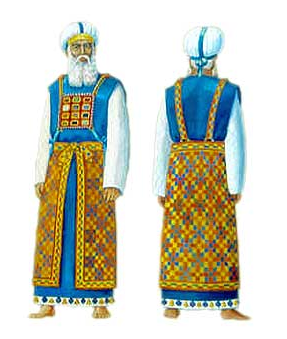
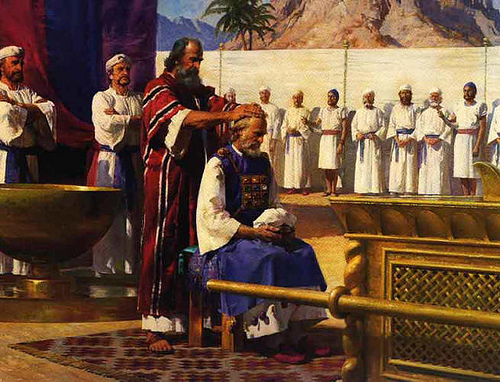
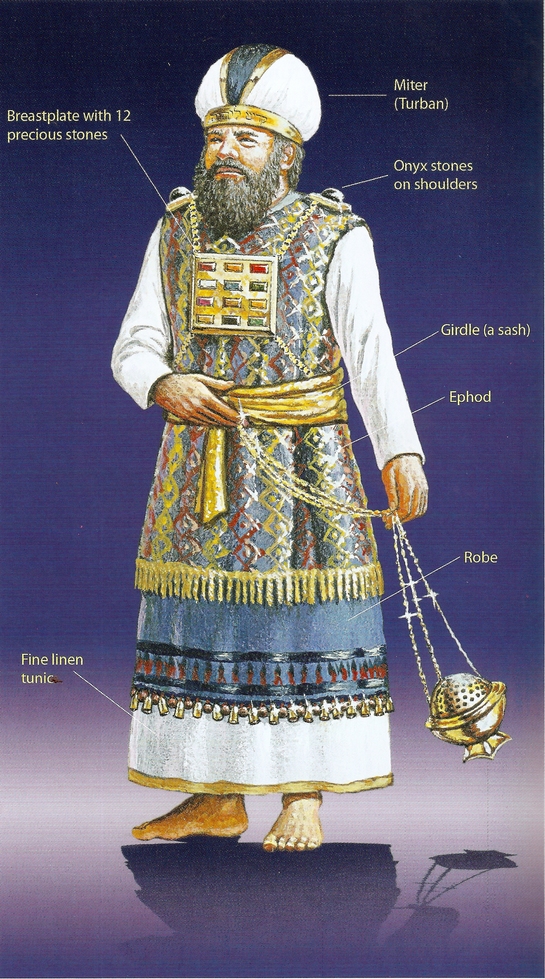
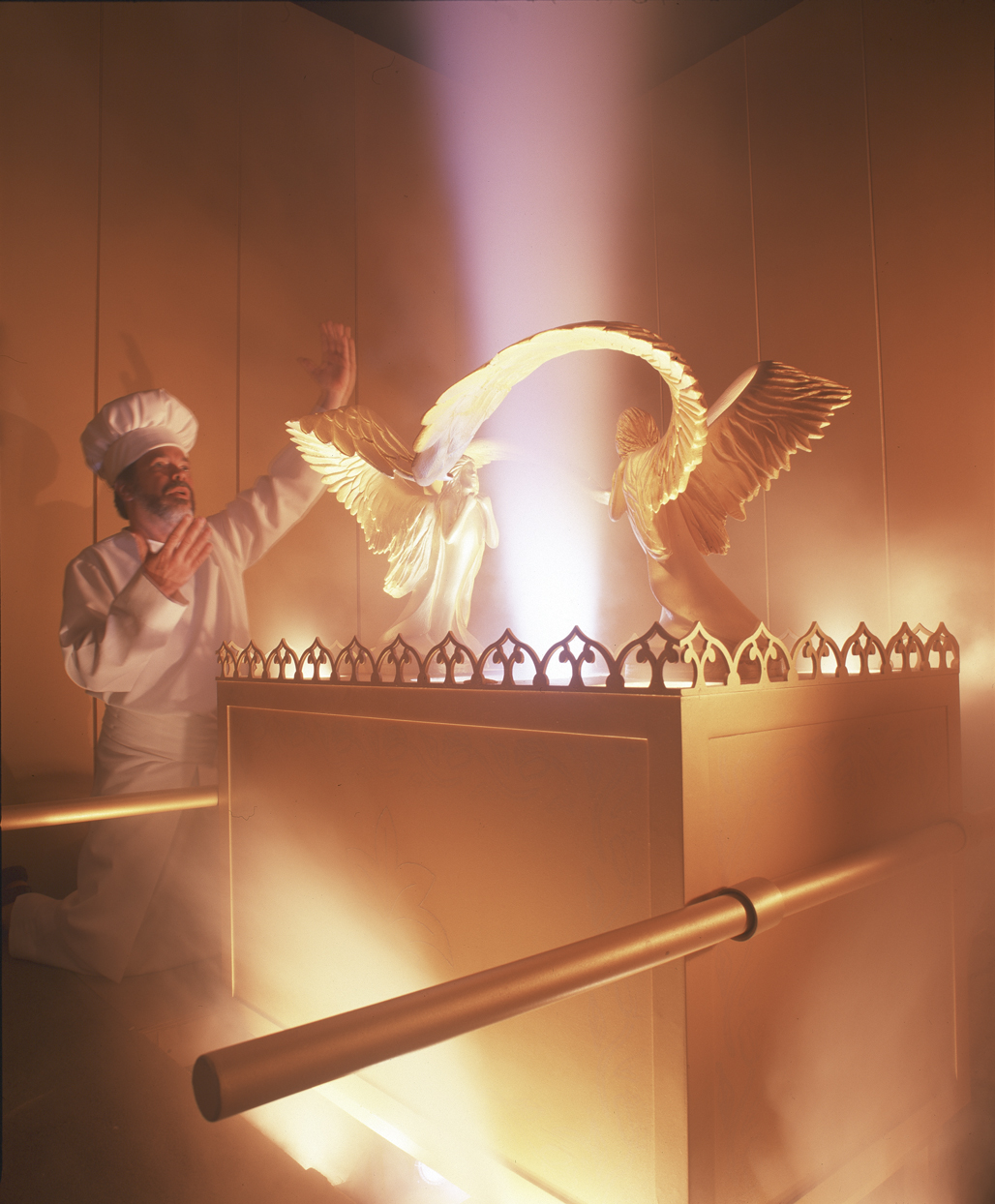
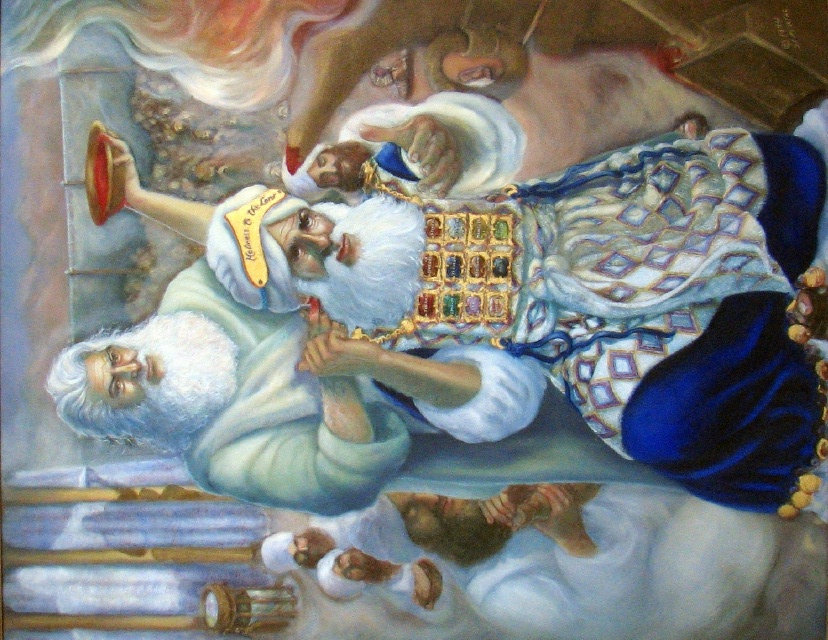
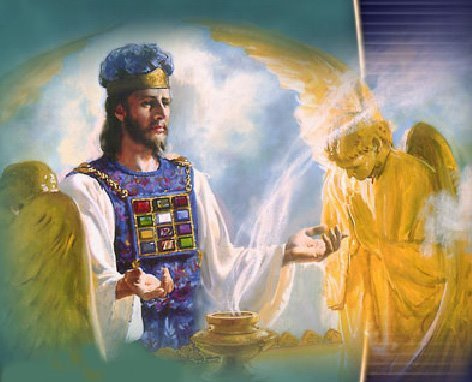
Exodus 28:1-2 And take thou unto thee Aaron thy brother, and his sons with him, from among the children of Israel, that he may minister unto me in the priest’s office, even Aaron, Nadab and Abihu, Eleazar and Ithamar, Aaron’s sons. And thou shalt make holy[1] garments for Aaron thy brother for glory[2] and for beauty[3].

God wanted to establish a relationship with His chosen people. That relationship was governed by God’s holiness and righteousness. God could not relate to His people without a representative, someone who would reflect God’s nature to His people.

God designed the office of Priest to enable this relationship. Aaron, the brother of Moses, was designated the priest, along with his sons.

Priests were nothing new to the Israelites. Melchizedek was a priest in Abraham’s day (Genesis 14:8). Joseph’s sons Manasseh and Ephraim were from his wife Asenath, the daughter of Potiphera, priest of On. Even Moses father-in-law, Jethro, was the priest of Midian.

With the beginning of the Nation of Israel in view, God directed Moses to begin God’s priestly order, founded upon the Commandments which God delivered to Moses. With the earthly Priest Hood, God always had His Son, Jesus Christ in view. Everything about the priesthood, the Tabernacle, the offerings and sacrifices were a shadow of the Heavenly reality (Hebrews 8:5). It was important that the priests reflect God, and in view of the future, the nature of His Son. For Jesus Christ was the substance of all they did.

Colossians 2:17 These are a shadow of the things to come, but the substance belongs to Christ.

While the priests were seen as the “go between” for the Jews with God, this was never His intention. Always in His heart, He wanted an intimate relationship with all of His children. From the beginning God revealed His intention:

Exodus 19:5-6 Now therefore, if you will indeed obey my voice and keep my covenant, you shall be my treasured possession among all peoples, for all the earth is mine; and you shall be to me a kingdom of priests and a holy nation. These are the words that you shall speak to the people of Israel.

God desired His people to realize they could be a kingdom of priests, each possessing that special relationship with God. The link between God and His priests has always been two-fold: believe in God, and obey His Word. The priests were to be living personifications of the reality of Jehovah God, and the power of His Word. As the priests reflected this power to the Jewish people, the words of Malachi would come to pass:

Malachi 2:7 For the lips of a priest should guard knowledge, and people should seek instruction from his mouth, for he is the messenger of the LORD of hosts.”

This is why Exodus 28:1-2 is significant. The garments of the priest are important only as far as the priests follow their intention-for the garments were designed to set the priest apart from that which was common.

What made the priesthood “weighty” to the people, was the perception that they were set apart unto God. The priests had restrictions upon land ownership, because the Lord was their inheritance. The priests were not to be entangled in the business affairs of the world. They were to depend upon the Lord for their sustenance and provisions. The people went to the priests to enquire of the Lord God, for the priests were set apart unto Him. This is what the garments represented, for they were sacred garments, and set the wearer apart from that which was common. The priestly garments were never used for washing the dishes, or cutting wood. The priests were always to respect the Holiness of Jehovah as they administered their office.

This is the reason for God’s scourging of the priesthood in Malachi. They had accepted “common” sacrifices, blind animals, unclean animals, and in so doing had profaned the name of Jehovah before the people. They had “polluted” God by despising the table of the Lord (Malachi 1:6-8). Instead of setting God apart before the people, the priesthood had brought God down to where man could regard Him as nothing special. Honoring Jehovah required nothing special. No real sacrifice was involved. God had become “comfortable” to the people. The priesthood had lost the touch of God by accepting that which was common. The priests had despised the name of God!

Their garments looked glorious and beautiful like normal, but there was no power behind them. God withdraws His power when our worship and service becomes man-centered. As 2nd Timothy 3:5 states, they have a form of godliness, but they deny the power thereof. When you fail to follow the design of God, you reveal your heart, a heart that despises God’s authority over your life.

Our lives are to reflect a heart that has been set apart unto God. A heart that loves God completely. As we walk in love, we are clothed in glory and beauty. The priesthood was to present that reality to God’s children, just as contemporary ministers are to their flock.

Ministers, pastors, preachers and associates are to be set apart unto God. They must spend time before the throne. They must believe in His power. They must long for His Word. No part of their life must be kept from obedience to His Word. Disobedience, no matter how small, reflects a heart that despises the name of God.

Those who serve the Living God do so with an obligation to guard the deposit of God’s Word given to them.

2 Timothy 1:14 By the Holy Spirit who dwells within us, guard the good deposit entrusted to you.

Disobedience and/or neglect of God’s Word reveals an unbelieving heart. You are snorting, “What a weariness this is!” (Malachi 1:14). God’s name will be exalted throughout the nations, regardless of your obedience or belief.

The cry to everyone who seeks the Lord is found in Hebrews 11:6 “But without faith it is impossible to please him: for he that cometh to God must believe that he is, and that he is a rewarder of them that diligently seek him.”

Remember, God desired a nation of priests. He wanted all of His chosen ones to enjoy Him. This became reality through Jesus Christ, whose eternal sacrifice on the cross tore open the veil which stood between sinful man and Holy God. Through faith in the work of Christ, His righteousness and justification are imputed to us, enabling us to have relations with Abba Father.

However, the visual image of Aaron’s priestly garments reveals several insights into our relationship with Holy God.

1. There is no relationship unless we agree to be set apart unto Him.

This is the wisdom of the Cross, whereby all those who humble themselves before the cross find salvation and righteousness in Christ. Our relationship with God begins at the cross of Christ. Jesus is the way!

Any attempt to come to God by bringing Him down to our level will be wasted. If our coming to God is man-centered and polluted by our pride, the way to God will be closed to us. The intimacy of Abba, Father will be impossible due to our flesh (Romans 8:8).

2. Our relationship with God is always on the basis of His Glory and Beauty.

We have no glory or beauty of our own. There is nothing intrinsic within us that makes us attractive and winsome to God. The priest stood before the people clothed in the special garments to reflect God’s glory and beauty, not his own. There were no TV personalities on display. God’s glory and beauty took center stage.

A. The Imagery of the Priestly Garments

1. The garments were to set apart the priests from that which was common to that which was sacred.

The Priests were the connection between man and God.

  • Ministers of God are always set apart for God’s use. They are not to be “common” in the true sense of the word. They are always living with the presence of God! God in us makes us sacred!
  • The garments were masculine and feminine in nature. Ministers reflect all of God upon all of God’s people

2.  They were to reflect the ‘weighty’ glory of God which Moses desired to see.

The word “glory” is derived from a Hebrew root that may mean “heavy,” “weighty,” or “numerous, severe” in a physical sense[4]

  • God bestows His glory on man- Psalm 8:5 Yet you have made him a little lower than the heavenly beings and crowned him with glory and honor.
  • Glory is a weighty term-refers to wealth, possessions, honor, prestige.
  • Joseph told his brothers to tell Jacob of all his “glory”
  • The Glory of God brings substance, wealth, purpose, pre-eminence and “weight”.
  • The glory of God is never taken lightly; neither should the minister of God.

Exodus 16:7 and in the morning you shall see the glory of the LORD…

  • God told the complaining Israelites they would see His glory in the morning. When they awoke, they saw the manna falling from heaven, lying on the ground.
  • The manna is a picture of God’s bread of life-the Word of God. In the Word there is glory as we minister it!

Psalm 57:11 Be exalted, O God, above the heavens; let Your glory be over all the earth.

Isaiah 42:8 I am the Lord; that is My name! And My glory I will not give to another, nor My praise to graven images.

The Bible places emphasis on glory in the present and future tenses based upon the possibility of a relationship with the God of glory.

 The priests were to minister on the basis of glory because they enjoyed a “heavy” relationship with God, whereby His glory became their glory through the ministry of the Word!

John 1:14 And the Word (Christ) became flesh (human, incarnate) and tabernacled (fixed His tent of flesh, lived awhile) among us; and we [actually] saw His glory (His honor, His majesty), such glory as an only begotten son receives from his father, full of grace (favor, loving-kindness) and truth.

Jesus is the Glory of God!

Jesus in your life opens the Glory of God upon your life!

3.  They were to reflect the beauty bestowed upon man and upon objects that elevate them to the presence of the divine.

Isaiah 55:5 Behold, you shall call a nation that you do not know, and a nation that did not know you shall run to you, because of the LORD your God, and of the Holy One of Israel, for he has glorified you.

God has beautified you. His Glory is revealed in our beauty (that He bestows upon us in Christ)!

God bestows His beauty upon His people, upon their sanctuary, upon those things dedicated to Him!

The basic meaning of pāʾar in the Piel is “to beautify/glorify.” In the six instances of this, the subject of the verb is always God. The recipient is his child(ren), for example, Isaiah 55:5; Psalm 149:4, or his sanctuary (Ezra 7:27; Isaiah 60:7, 13). This thought is carried into the use of pāʾar in the Hithpael (Isaiah 44:23; Isaiah 49:3; Isaiah 60:21; Isaiah 61:3). An additional meaning in this stem is “to boast” as seen in Judges 7:2; Isaiah 10:15. Exodus 8:5,[5]

God is our crown of glory and diadem of beauty!

Isaiah 28:5 In that day the LORD of hosts will be a crown of glory, and a diadem of beauty, to the remnant of his people,

We are to boast only in His beauty upon us.

Psalm 96:6 Honour and majesty are before him: strength and beauty are in his sanctuary.

The danger comes in thinking the beauty is ours.

Isaiah 20:5 And they shall be dismayed and confounded because of Ethiopia their hope and expectation and Egypt their glory and boast (same word for beauty).

B.  Jesus Christ is our Beauty and Glory

2 Peter 1:16 For we did not follow cleverly devised myths when we made known to you the power and coming of our Lord Jesus Christ, but we were eyewitnesses of his majesty.

Jude 1:25 to the only God, our Savior, through Jesus Christ our Lord, be glory, majesty, dominion, and authority, before all time and now and forever. Amen.

1. We are to put on Christ!

Galatians 3:27 For as many of you as were baptized into Christ have put on Christ.

He is our beauty!

      • He is the Rose of Sharon, the lily of the valley, the bright and morning star!
      • John 17:22 The glory that you have given me I have given to them, that they may be one even as we are one,
      • John 17:10 All mine are yours, and yours are mine, and I am glorified in them.

His Word is our Glory

      • His Word set us apart!
      • John 17:17 Sanctify them in the truth; your word is truth.

His Word in us brings Glory to God

      • John 15:7-8 If you abide in me, and my words abide in you, ask whatever you wish, and it will be done for you. By this my Father is glorified, that you bear much fruit and so prove to be my disciples.

2. The Word of God makes us beautiful and crowns us with His Glory!

Isaiah 62:2-3 The nations shall see your righteousness, and all the kings your glory, and you shall be called by a new name that the mouth of the LORD will give. You shall be a crown of beauty in the hand of the LORD, and a royal diadem in the hand of your God.

Zechariah saw a vision of a priest named Joshua in Zechariah 3. Joshua was clothed in filthy rags, and Satan was at his side, accusing him before Holy God. Joshua was not wearing the garments of glory and beauty. He was not fit to serve according to Satan. And Satan was right, but next we see the grace of God. An angel commands those around Joshua to remove the filthy garments, and clothe him in the holy priestly garments of glory and beauty. His iniquity has been removed by the grace of God. In addition, he is given a holy diadem or turban to wear upon his head. The significance of this turban is revealed in chapter 14, verse 20, for on the turban is symbolic of the priest being “Holiness unto the Lord,” for in that day even the horses will be holiness unto the Lord. Exodus 28:36 records that a gold plate inscribed with “Holiness unto the Lord” was placed upon the turban which the priest wore.

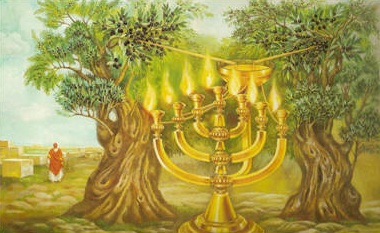
So God’s Grace restores the standing of the priest through cleansing and the right clothing. But God’s grace does not end there. Zechariah has another vision in chapter 4, and now he sees the power and provision of God for the rebuilding of the Temple. The Holy Spirit is poured out upon the priesthood, so that “not by might, nor by power but by my Spirit, saith the Lord of Hosts!” The Grace of God enables those who once were covered in filthiness to have an intimate relationship with their Creator God, and to be clothed in power from on high, such that they are to build the very dwelling place of God on the earth, His Temple! Verse seven presents a beautiful picture of the mountains (obstacles) becoming a plain such that Zerubbabel is able to hoist the final headstone of the Temple and cry out “Grace Grace!”

We live and breathe and build in the Grace of God! One day we will rejoice in heaven and cry Grace, Grace, for we will praise Christ “who loves us and has freed us from our sins by his blood and made us a kingdom, priests to his God and Father, to him be glory and dominion forever and ever. Amen.” (Rev 1:5-6)


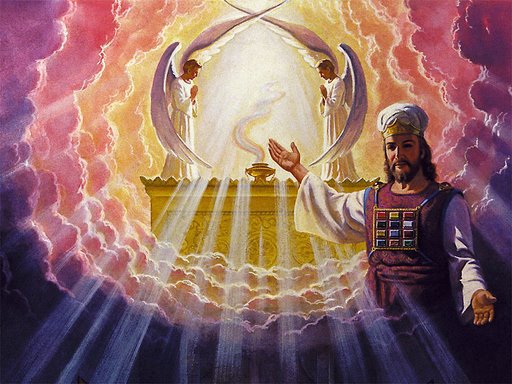
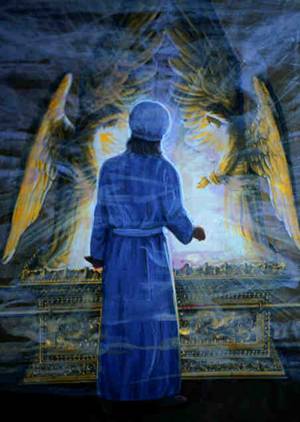
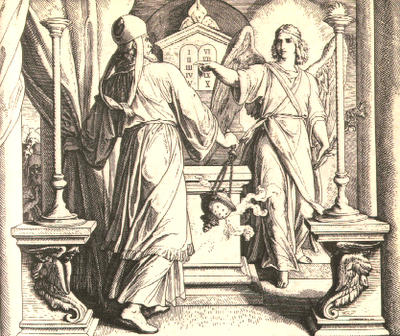
This slideshow requires JavaScript.


[1] qōdeš: A masculine noun meaning a holy thing, holiness, and sacredness. The word indicates something consecrated and set aside for sacred use only; it was not to be put into common use, for if it was, it became profaned and common (ḥôl), not holy. Warren Baker and Eugene Carpenter, The Complete Word Study Dictionary – Old Testament, (Chattanooga, TN: AMG Publishers, 2003), WORDsearch CROSS e-book.

[2] kābôd, ‏כָּבֹד‎ kābōd: A masculine singular noun meaning honor, glory, majesty, wealth. This term is commonly used of God (Ex. 33:18; Ps. 72:19; Isa. 3:8; Ezek. 1:28); humans (Gen. 45:13; Job 19:9; Ps. 8:5[6]; 21:5[6]); and objects (1 Sam. 2:8; Esth. 1:4; Isa. 10:18), particularly of the ark of the covenant (1 Sam. 4:21, 22).Warren Baker and Eugene Carpenter, The Complete Word Study Dictionary – Old Testament, (Chattanooga, TN: AMG Publishers, 2003), WORDsearch CROSS e-book.

[3] tiphʾārāh: A feminine noun meaning beauty, glory. Isaiah used the word to denote the so-called beauty of finery that would be snatched away by the Lord (Isa. 3:18). The word was used in a similar manner in Ezekiel to denote that which the people trusted in other than God, in addition to what would be stripped away (Ezek. 16:17; 23:26). The making of priestly garments and other apparel brought glory to Aaron and his sons, giving them dignity and honor (Ex. 28:2, 40). Wisdom was portrayed as giving a garland of grace and a crown of splendor in Proverbs (Prov. 4:9); Zion was told that it will be a crown of splendor in the Lord’s hand (Isa. 62:3); and in the book of Jeremiah, the king and queen were told that the crowns would fall from their heads (Jer. 13:18). The word was used in Deuteronomy to describe how God would recognize His people (Deut. 26:19). In Lamentations, it was used in an opposite manner to describe the splendor of Israel that was thrown down from heaven to earth in the Lord’s anger (Lam. 2:1). Deborah used the word to describe the honor or glory of a warrior which would not be Barak’s because he handled the situation wrongly (Judg. 4:9).Warren Baker and Eugene Carpenter, The Complete Word Study Dictionary – Old Testament, (Chattanooga, TN: AMG Publishers, 2003), WORDsearch CROSS e-book.

[4] Carpenter Eugene E. and Comfort Philip W., Holman Treasury of Key Bible Words: 200 Greek and 200 Hebrew Words Defined and Explained, (Nashville, TN: Broadman & Holman, 2000), WORDsearch CROSS e-book, 72.

[5] R. Laird Harris, Gleason L. Archer, Bruce K. Waltke, ed., “1726: ‏פָּאַר‎,” in Theological Wordbook of the Old Testament, (Chicago: Moody Press, 1980), WORDsearch CROSS e-book, 713.