Posts Tagged ‘Cross’


The Crucifixion in Excruciating Detail

1 Corinthians 1:18-25 For the word of the cross is folly to those who are perishing, but to us who are being saved it is the power of God. For it is written, “I will destroy the wisdom of the wise, and the discernment of the discerning I will thwart.” Where is the one who is wise? Where is the scribe? Where is the debater of this age? Has not God made foolish the wisdom of the world? For since, in the wisdom of God, the world did not know God through wisdom, it pleased God through the folly of what we preach to save those who believe. For Jews demand signs and Greeks seek wisdom, but we preach Christ crucified, a stumbling block to Jews and folly to Gentiles, but to those who are called, both Jews and Greeks, Christ the power of God and the wisdom of God. For the foolishness of God is wiser than men, and the weakness of God is stronger than men.

To ask a Gentile to believe in a Savior who had been crucified was absolute foolishness at the time of Paul. Crucifixion was considered so obscene that no one spoke of it. If a relative had been crucified for his crimes, you would be too ashamed to mention it. A Crucified Savior was unheard of! It was foolishness to the “wisdom” of the Gentiles. It was a stumbling block to the Jews, who looked for a Kingly Messiah, not a Crucified commoner.
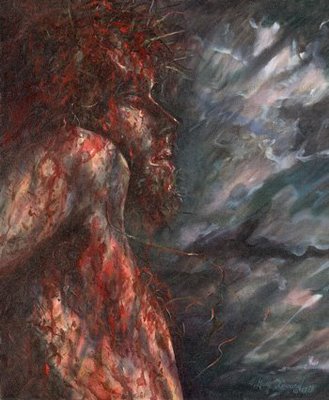
Death was designed for maximum pain with minimal blood loss, thereby extending the pain and suffering by days. Crucifixion was, in every sense of the word, excruciating (Latin, excruciatus, or “out of the cross”). In order to understand the obscenity and shame of the crucifixion, and to know the depths of the Love of our Savior,  we need to understand the horrors to which our Savior willingly submitted Himself.

The Scourging
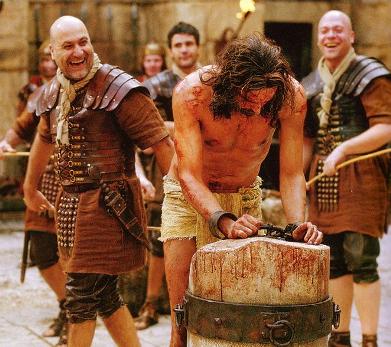
Preparations for Jesus’ scourging were carried out at Caesar’s orders. The prisoner was stripped of His clothing and His hands tied to a post above His head. The Roman legionnaire stepped forward with the flagrum, or flagellum, in his hand. This was a short whip consisting of several heavy, leather thongs with two small balls of lead attached near the ends of each. The heavy whip was brought down with full force again and again across Jesus’ shoulders, back, and legs. At first the weighted thongs cut through the skin only. Then, as the blows continued, they cut deeper into the subcutaneous tissues, producing first an oozing of blood from the capillaries and veins of the skin and finally spurting arterial bleeding from vessels in the underlying muscles.

The small balls of lead first produced large deep bruises that were broken open by subsequent blows. Finally, the skin of the back was hanging in long ribbons, and the entire area was an unrecognizable mass of torn, bleeding tissue. When it was determined by the centurion in charge that the prisoner was near death, the beating was finally stopped.

The Humiliation
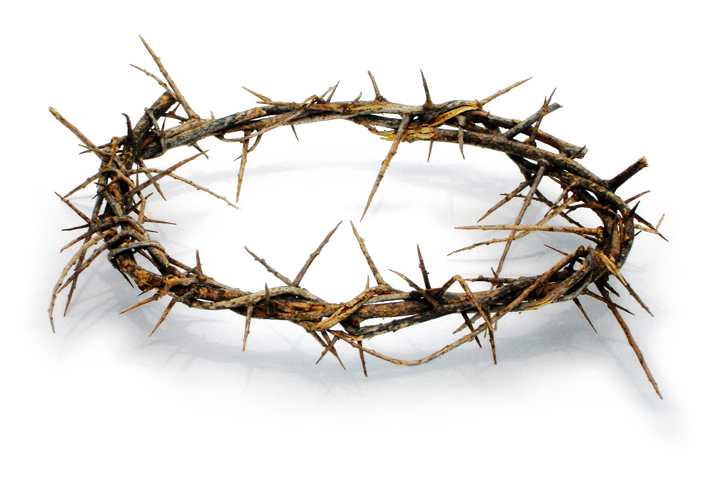
The half-fainting Jesus was then untied and allowed to slump to the stone pavement, wet with his own blood. The Roman soldiers saw a great joke in this provincial Jew claiming to be a king. They threw a robe across His shoulders and placed a stick in His hand for a scepter. They still needed a crown to make their travesty complete. Small flexible branches covered with long thorns, commonly used for kindling fires in the charcoal braziers in the courtyard, were plaited into the shape of a crude crown. The crown was pressed into his scalp and again there was copious bleeding as the thorns pierced the very vascular tissue. After mocking Him and striking Him across the face, the soldiers took the stick from His hand and struck Him across the head, driving the thorns deeper into His scalp. Finally, they tired of their sadistic sport and tore the robe from His back. The robe had already become adherent to the clots of blood and serum in the wounds, and its removal, just as in the careless removal of a surgical bandage, caused excruciating pain. The wounds again began to bleed.
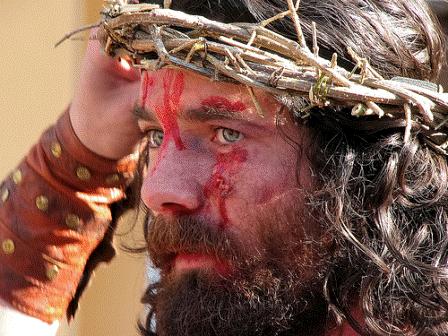
Jesus had not drank since the night before, so the combination of the beatings, the crown of thorns, and the scourging would have set into motion an irreversible process of severe dehydration and cardio respiratory failure. All of this was done so that the prophecies would be fulfilled:

  • I can count all my bones: they look and stare upon me. Psalm 22:17
  • I gave my back to those who strike, and my cheeks to those who pull out the beard; I hid not my face from disgrace and spitting. Isaiah 50:6
  • As many were astonished at you— his appearance was so marred, beyond human semblance, and his form beyond that of the children of mankind. Isaiah 52:14
  • Surely he has borne our griefs and carried our sorrows; yet we esteemed him stricken, smitten by God, and afflicted. But he was wounded for our transgressions; he was crushed for our iniquities; upon him was the chastisement that brought us peace, and with his stripes we are healed. Isaiah 53:4-5

Behold the Man!

The Crown of Thorns and the Robe

The significance of the scarlet robe and crown of thorns is to emphasize Jesus’ taking the sins of the world upon His body. The Bible describes sin by the color of scarlet and that thorns first appeared after the fall, as a sign of the curse. Thus, the articles that He wore are symbols to show that Jesus took on the sins (and the curse) of the world upon Himself.

  • Genesis 3:17-18: “Cursed is the ground because of you; through painful toil you will eat of it all the days of your life. It will produce thorns and thistles for you, and you will eat the plants of the field.
  • “Isaiah 1:18 “Come now, let us reason together,” says the LORD.”Though your sins are like scarlet, they shall be as white as snow; though they are red as crimson, they shall be like wool.”  

Crucifixion

Crucifixion was invented by the Persians approximately 300-400 B.C. It was “perfected” by the Romans in the first century B.C. It is arguably the most painful death ever invented by man and is where we get our term “excruciating.” It was reserved primarily for the most vicious of criminals, as well as conquered foes.

Victims of crucifixion were typically stripped naked and their clothing divided by the Roman guards. In Jesus’ case this was done in fulfillment of Psalm 22:18, “They divide My garments among them, and for My clothing they cast lots.”

It was customary for the condemned man to carry his own cross from the flogging post to the site of crucifixion outside the city walls. He was usually naked, unless this was prohibited by local customs. Since the weight of the entire cross was probably well over 300 lb., only the crossbar was carried. The heavy patibulum of the cross, (weighing 75 to 125 lb.) was placed across the nape of the victim’s neck and balanced along both shoulders. Usually, the outstretched arms were tied to the crossbar. The procession of the condemned Christ, two thieves, and the execution detail of Roman soldiers headed by a centurion began its slow journey along the route which we know today as the Via Dolorosa.

In spite of Jesus’ efforts to walk erect, the weight of the heavy wooden beam, together with the shock produced by copious loss of blood, was too much. He stumbled and fell. The rough wood of the beam gouged into the lacerated skin and muscles of the shoulders. He tried to rise, but human muscles had been pushed beyond their endurance. The centurion, anxious to proceed with the crucifixion, selected a stalwart North African onlooker, Simon of Cyrene, to carry the cross. Jesus followed, still bleeding and sweating the cold, clammy sweat of shock. The 650-yard journey from the Fortress Antonia to Golgotha was finally completed.

Outside the city walls were permanently located the heavy upright wooden stipes, on which the patibulum would be secured. At the site of execution, by law, the victim was given a bitter drink of wine mixed with myrrh (gall) as a mild analgesic. Even though Jesus was severely dehydrated through blood and fluid loss, He refused this drink. He chose to face death in full control of His senses. Edersheim writes:

“It was a merciful Jewish practice to give to those led to execution a draught of strong wine mixed with myrrh so as to deaden consciousness” (Mass Sem 2.9; Bemid. R. 10). The draught was offered to Jesus when He reached Golgotha. But having tasted it….He would not drink it. ….He would meet Death, even in his sternest and fiercest mood, and conquer by submitting to the full…. (p.880).

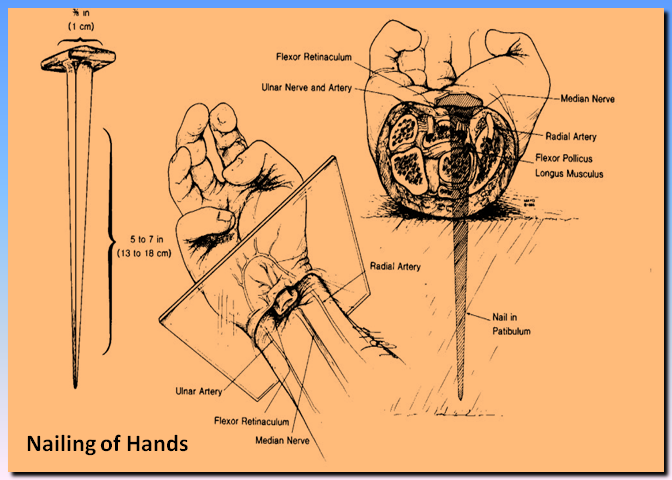
Jesus refused this drink. The criminal was then thrown to the ground on his back, with his arms outstretched along the patibulum. The hands could be nailed or tied to the crossbar, but nailing apparently was preferred by the Romans. The archaeological remains of a crucified body, found in an ossuary near Jerusalem and dating from the time of Christ, indicate that the nails were tapered iron spikes approximately 5 to 7 in (13 to 18 cm) long with a square shaft 3/8 in (1 cm) across. Furthermore, ossuary findings and the Shroud of Turin have documented that the nails commonly were driven through the wrists rather than the palms.

After both arms were fixed to the crossbar, the patibulum and the victim, together, were lifted onto the stipes. On the low cross, four soldiers could accomplish this relatively easily. However, on the tall cross, the soldiers used either wooden forks or ladders.

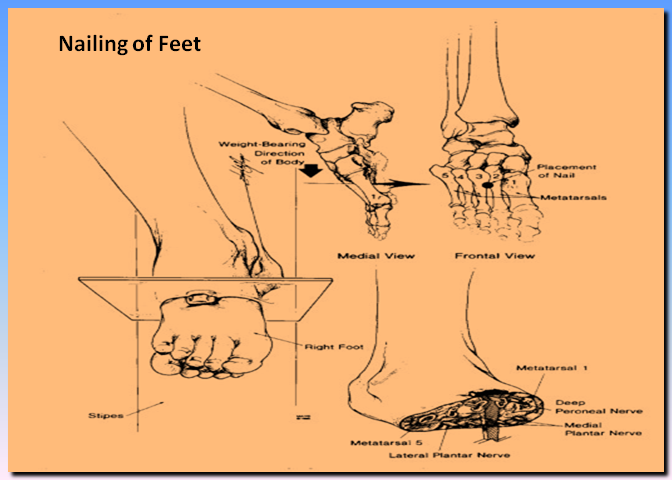
Next, the feet were fixed to the cross, either by nails or ropes. Ossuary findings and the Shroud of Turin suggest that nailing was the preferred Roman practice. Although the feet could be fixed to the sides of the stipes or to a wooden footrest, they usually were nailed directly to the front of the stipes. To accomplish this, flexion of the knees may have been quite prominent, and the bent legs may have been rotated laterally. The left foot was pressed backward against the right foot. With both feet extended, toes down, a nail was driven through the arch of each, leaving the knees moderately flexed. The victim was now crucified.

When the nailing was completed, the titulus was attached to the cross, by nails or cords, just above the victim’s head. The soldiers and the civilian crowd often taunted and jeered the condemned man, and the soldiers customarily divided up his clothes among themselves.

To add to the horror, insects would light upon or burrow into the open wounds or the eyes, ears, and nose of the dying and helpless victim, and birds of prey would tear at these sites. Moreover, it was customary to leave the corpse on the cross to be devoured by predatory animals. However, by Roman law, the family of the condemned could take the body for burial, after obtaining permission from the Roman judge.
Since no one was intended to survive crucifixions the body was not released to the family until the soldiers were sure that the victim was dead. By custom, one of the Roman guards would pierce the body with a sword or lance. Traditionally, this was a spear wound to the heart through the right side of the chest — a fatal wound probably taught to most Roman soldiers. The Shroud of Turin documents this form of injury. Moreover, the standard infantry spear, which was 5 to 6 ft long, could easily have reached the chest of a man crucified on the customary low cross.”

On the Cross

As Jesus slowly sagged down with more weight on the nails in the wrists, excruciating, fiery pain shot along the fingers and up the arms to explode in the brain. The nails in the wrists were putting pressure on the median nerve, large nerve trunks which traverse the mid-wrist and hand. As He pushed himself upward to avoid this stretching torment, He placed His full weight on the nail through His feet. Again there was searing agony as the nail tore through the nerves between the metatarsal bones of His feet.
At this point, another phenomenon occurred. As the arms fatigued, great waves of cramps swept over the muscles, knotting them in deep relentless, throbbing pain. With these cramps came the inability to push Himself upward. Hanging by the arm, the pectoral muscles, the large muscles of the chest, were paralyzed and the intercostal muscles, the small muscles between the ribs, were unable to act. Air could be drawn into the lungs, but could not be exhaled. Jesus fought to raise Himself in order to get even one short breath. Finally, the carbon dioxide level increased in the lungs and in the blood stream, and the cramps partially subsided.

Forces of Darkness

While He was on the cross, darkness covered the land (noon to three p.m.). Jesus, in Luke 22:53, associates those who arrested Him with the power of darkness. Where were the evil forces while Jesus was on the cross? The verses below from Psalm 22 seem out of place when first read. There seems to be no mention of “bulls” and “lions” around the cross. The verses, however, have a deeper meaning. Bashan was an area to the east of the Jordan River which was famous for its fertility. There cattle were raised which grew to enormous sizes. The people there worshipped demon spirits (associated with Baal) within the cattle.1 Pet 5:8 describes Satan as “a roaring lion…seeking those who he may devour” These verses are thus suggestive of the spiritual activity of Satan and his demons, celebrating as Jesus was suffering on the cross.

Psalm 22:12-13: “Many bulls surround me; strong bulls of Bashan encircle me. Roaring lions tearing their prey open their mouths wide against me.”

Medical Aspects of Crucifixion

After forced to carry his cross to the site, the victim was then placed on his back, arms stretched out and nailed to the cross bar. The nails, which were generally about 7-9 inches long, were placed between the bones of the forearm (the radius and ulna) and the small bones of the hands (the carpal bones).

The placement of the nail at this point had several effects. First it ensured that the victim would indeed hang there until dead. Secondly, a nail placed at this point would sever the largest nerve in the hand called the median nerve.

The severing of this nerve is a medical catastrophe. In addition to severe burning pain the destruction of this nerve causes permanent paralysis of the hand. Furthermore, by nailing the victim at this point in the wrist, there would be minimal bleeding and there would be no bones broken! Thus scriptures were fulfilled:

  • He keepeth all his bones: not one of them is broken. Psalm 34:20

The positioning of the feet is probably the most critical part of the mechanics of crucifixion. First the knees were flexed about 45 degrees and the feet were flexed (bent downward) an additional 45 degrees until they were parallel the vertical pole. An iron nail about 7-9 inches long was driven through the feet between the 2nd and 3rd metatarsal bones. In this position the nail would sever the dorsal pedal artery of the foot, but the resultant bleeding would be insufficient to cause death.

The scourging prior to crucifixion served to weaken the condemned man and, if blood loss was considerable, to produce orthostatic hypotension[1] and even hypovolemic[2] shock. When the victim was thrown to the ground on his back, in preparation for transfixion of the hands, his scourging wounds most likely would become torn open again and contaminated with dirt. Furthermore, with each respiration, the painful scourging wounds would be scraped against the rough wood of the stipes. As a result, blood loss from the back probably would continue throughout the crucifixion ordeal.

With arms outstretched but not taut, the wrists were nailed to the patibulum. It has been shown that the ligaments and bones of the wrist can support the weight of a body hanging from them, but the palms cannot. Accordingly, the iron spikes probably were driven between the radius and the carpals or between the two rows of carpal bones, either proximal to or through the strong band like flexor retinaculum and the various intercarpal ligaments. Although a nail in either location in the wrist might pass between the bony elements and thereby produce no fractures, the likelihood of painful periosteal injury would seem great. Furthermore, the driven nail would crush or sever the rather large median nerve. The stimulated nerve would produce excruciating bolts of fiery pain in both arms. Although the severed median nerve would result in paralysis of a portion of the hand, ischemic contracture and impalement of various ligaments by the iron spike might produce a claw like grasp.

Most commonly, the feet were fixed to the front of the stipes by means of an iron spike driven through the first or second inter metatarsal space, just distal to the tarsometatarsal joint. It is likely that the deep peroneal nerve and branches of the medial and lateral plantar nerves would have been injured by the nails. Although scourging may have resulted in considerable blood loss, crucifixion per se was a relatively bloodless procedure, since no major arteries, other than perhaps the deep plantar arch, pass through the favored anatomic sites of transfixion.

Tetanic Spasm

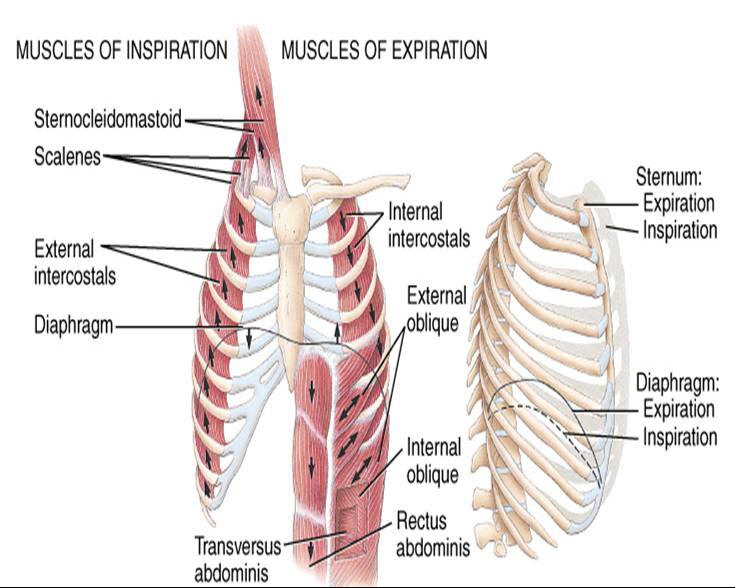
The major effect of crucifixion, beyond the excruciating pain, was a marked interference with normal respiration, particularly exhalation. The weight of the body, pulling down on the outstretched arms and shoulders, would tend to fix the intercostal[3] muscles in an inhalation state and thereby hinder passive exhalation.  Accordingly, exhalation was primarily diaphragmatic, and breathing was shallow. It is likely that this form of respiration would not suffice and that hypercapnia[4] would soon result. The onset of muscle cramps or tetanic spasms[5], due to fatigue and hypercapnia, would hinder respiration even further.

The resulting position on the cross sets up a horrific sequence of events which results in a slow, painful death. Having been pinned to the cross, the victim now has an impossible position to maintain.

With the knees flexed at about 45 degrees, the victim must bear his weight with the muscles of the thigh. However, this is an almost impossible task-try to stand with your knees flexed at 45 degrees for 5 minutes. As the strength of the legs gives out, the weight of the body must now be borne by the arms and shoulders. The result is that within a few minutes of being placed on the cross, the shoulders will become dislocated. Minutes later the elbows and wrists become dislocated. The result of these dislocations is that the arms are as much as 6-9 inches longer than normal.
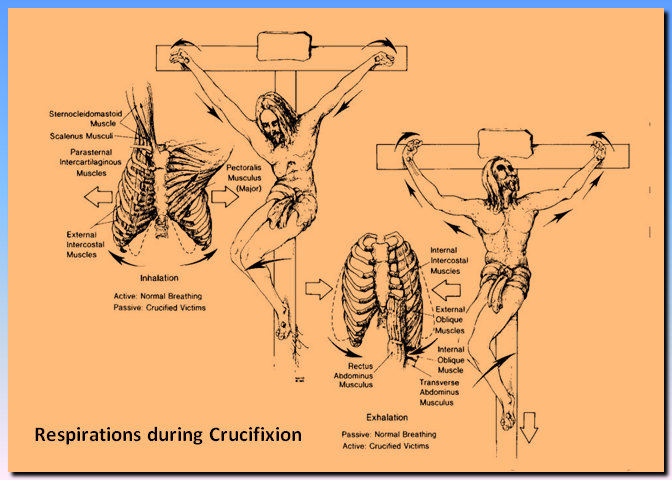
With the arms dislocated, considerable body weight is transferred to the chest, causing the rib cage to be elevated in a state of perpetual inhalation. Consequently, in order to exhale the victim must push down on his feet to allow the rib muscles to relax. The problem is that the victim cannot push very long because the legs are extremely fatigued. As time goes on, the victim is less and less able to bear weight on the legs, causing further dislocation of the arms and further rising of the chest wall, making breathing more and more difficult.

  • …all my bones are out of joint; my heart is like wax; it is melted within my breast; Psalm 22:14
The result of this process is a series of catastrophic physiological effects. Because the victim cannot maintain adequate ventilation of the lungs, the blood oxygen level begins to diminish and the blood carbon dioxide (CO2) level begins to rise. This process sets up a vicious cycle of increasing oxygen demand-which cannot be met-followed by an ever increasing heart rate. The rising CO2 level stimulates the heart to beat faster in order to increase the delivery of oxygen and the removal of CO2. Due to the shallow breathing, the victim’s lungs begin to collapse in small areas, causing hypoxia and hypercapnia. A respiratory acidosis[6], with lack of compensation by the kidneys due to the loss of blood from the numerous beatings, resulted in an increased strain on the heart, which beats faster to compensate. After several hours the heart begins to fail, the lungs collapse and fill up with fluid, which further decreases oxygen delivery to the tissues. The blood loss and hyperventilation combines to cause severe dehydration. Over a period of several hours the combination of collapsing lungs, a failing heart, dehydration, and the inability to get adequate oxygen supplies to the tissues cause the eventual death of the victim. The victim, in effect, cannot breath properly and slowly suffocates to death. In cases of severe cardiac stress, such as crucifixion, a victim’s heart can even burst. This process is called “Cardiac Rupture.”

The actual cause of death by crucifixion was multifactorial and varied somewhat with each case, but the two most prominent causes probably were hypovolemic shock and exhaustion asphyxia. Other possible contributing factors included dehydration, stress-induced arrhythmias, and congestive heart failure with the rapid accumulation of pericardial and perhaps pleural effusions. Crucifracture (breaking the legs below the knees), if performed, led to death from asphyxia within minutes.

His Last Words

Spasmodically, Jesus was able to push Himself upward to exhale and bring in life-giving oxygen. It was undoubtedly during these periods that He uttered the seven short sentences that are recorded.

He suffered hours of limitless pain, cycles of twisting, joint-rending cramps, intermittent partial asphyxiation, and searing pain as tissue was torn from His lacerated back from His movement up and down against the rough timbers of the cross. Then another agony began: a deep crushing pain in the chest as the pericardium, the sac surrounding the heart, slowly filled with serum and began to compress the heart.

The prophecy in Psalm 22:14 was being fulfilled: “I am poured out like water, and all my bones are out of joint, my heart is like wax; it is melted in the midst of my bowels.”

The end was rapidly approaching. The loss of tissue fluids had reached a critical level; the compressed heart was struggling to pump heavy, thick, sluggish blood to the tissues, and the tortured lungs were making a frantic effort to inhale small gulps of air. The markedly dehydrated tissues sent their flood of stimuli to the brain. Jesus gasped His fifth cry: “I thirst.” Again we read in the prophetic psalm: “My strength is dried up like a potsherd; my tongue cleaveth to my jaws; and thou has brought me into the dust of death” (Psalm 22:15 KJV).
Jesus was offered a second drink, which He accepted. It is ‘pocsa’, a sour wine popular at that time. Jesus accepted this drink because of two important images. The drink was given on the “stalk of a hyssop plant”. Remember that these events occurred at the Feast of the Passover. During this feast, hyssop was used to apply the blood of the Passover lamb to the wooden doorposts of the Jews. It is interesting the end of this hyssop stalk pointed to the blood of the Perfect Lamb which was applied to the wooden cross for the salvation of all mankind.

In addition, the wine vinegar is a product of fermentation, which is made from grape juice and yeast. The word literally means “that which is soured” and is related to the Hebrew term for “that which is leavened”. (Holmans) Yeast or leaven, is a Biblical symbol of sin. When Jesus took this drink, (i.e. a drink which was “leavened”) it is thus symbolic of His taking the sins of the world into His body.

After this last drink, His body was now in extremis, and He could feel the chill of death creeping through His tissues. This realization brought forth His sixth word, possibly little more than a tortured whisper: “It is finished.” His mission of atonement had been completed. Finally, He could allow His body to die. With one last surge of strength, He once again pressed His torn feet against the nail, straightened His legs, took a deeper breath, and uttered His seventh and last cry: “Father, into Your hands I commit My spirit.”
While the crucifixion is horrible to our physical senses, we will never understand the spiritual agony of Hell that Jesus experienced for us upon the cross. There is no graphic display that can impress upon our senses the wrath of God upon Jesus Christ. He drank of God’s Wrath against our sin! Wrath that was meant for us, to be experienced in an eternity of Hell, Jesus experienced in a moment. God experienced Hell for you and me! That is love that cannot be defined, only experienced! Do you know His Love? Has He changed your life?

This is a Compilation from the following Sources:

Dr. C Truman David, “The Crucifixion”,, New Wine Magazine, April 1982. Originally published in Arizona Medicine, March 1965, Arizona Medical Association.

The Agony of Love by Dr. Mark Eastman

http://www.frugalsites.net/jesus/crucifixion.htm

Medical Aspects of the Crucifixion of Jesus Christ, Compiled by David Terasaka, M.D. ©1996.


[1] Orthostatic hypotension is a form of hypotension in which a person’s blood pressure suddenly falls when standing up or stretching. The symptom is caused by blood pooling in the lower extremities upon a change in body position. It is quite common and can occur briefly in anyone, although it is particularly prevalent among the elderly, and those with low blood pressure.

[2] Hypovolemic shock refers to a medical or surgical condition in which rapid fluid loss results in multiple organ failure due to inadequate circulating volume and subsequent inadequate perfusion.

[3] Intercostal muscles are several groups of muscles that run between the ribs, and help form and move the chest wall. The intercostal muscles are mainly involved in the mechanical aspect of breathing. These muscles help expand and shrink the size of the chest cavity when you breathe.

[4] Hypercapnia (or hypercarbia) is generally defined as an abnormally high level of carbon dioxide (e.g., more than 45 mm Hg) in the arterial blood.

[5] a state of sustained muscular contraction without periods of relaxation caused by repetitive stimulation of the motor nerve trunk at frequencies so high that individual muscle twitches are fused and cannot be distinguished from one another

[6] Respiratory acidosis develops when there is too much carbon dioxide (an acid) in the body. This type of acidosis is usually caused when the body is unable to remove enough carbon dioxide through breathing.

When Paul wrote to the Corinthians (1:17) “For Christ did not send me to baptize but to preach the gospel, and not with words of eloquent wisdom, lest the cross of Christ be emptied of its power”, he was slowly lifting the veil from the majesty and beauty of the wisdom of God as revealed in the Cross.

Paul was holding up the beauty of the cross to a people who had been conditioned to not even speak of the crucifixion which it signified. Crucifixion was so horrible, it was not even mentioned among polite society. Yet here Paul is, displaying the cross as the ‘wisdom of God!’ This Wisdom of God was being held up as a means of uniting a church that had become weakened through fleshly divisions. The message of the Cross is the means  to uniting and empowering a divided church. Unless we fail to see the wisdom of it.

The power of the cross can be made null and void when we ignore it, or when we try to dress it up, or when we minimize it. Here Paul is, fully aware that this church has been so influenced by the world that it is fractured, fumbling and failing. His advice to them is to glory in the raw, uncensored message of the cross. That which causes the world to shudder and turn away is the very wisdom and glory of God!

We are so removed from the culture of Paul’s world that we have no conception of how obscene it was to tell people that your “God” had been crucified on a Roman cross. The wisdom of God was for Paul to preach using an object lesson so obscene that most intelligent Gentile’s would consider utterly ridiculous. Imagine an evangelist coming to Farmland, USA and telling them to believe in a convicted pedophile as their Savior. You might get a sense of the reactions Paul’s preaching produced.

Rome and have been so exposed to the crucifixion that we cannot fathom how ridiculous the Empire’s policies on crucifixion conditioned Roman citizens to view crucified men with universal contempt. The crucified were either rebellious slaves, the lowest of criminals, or defeated and humiliated foes of the empire[1].

In light of the crucified’s degraded status and the heinous nature of the punishment, Gentiles understandably and not surprisingly viewed the victim with the utmost contempt. Indeed, “crucifixion” was a virtual obscenity not to be discussed in polite company. The cultured world did not want to hear about crucifixion, and consequently, as a rule, they kept quiet about it[2].

Indeed, the noted orator, Cicero, once plead for his client before the jury, “The very word ‘cross’ should be far removed not only from the person of a Roman citizen, but from his thoughts, his eyes, his ears.[3]

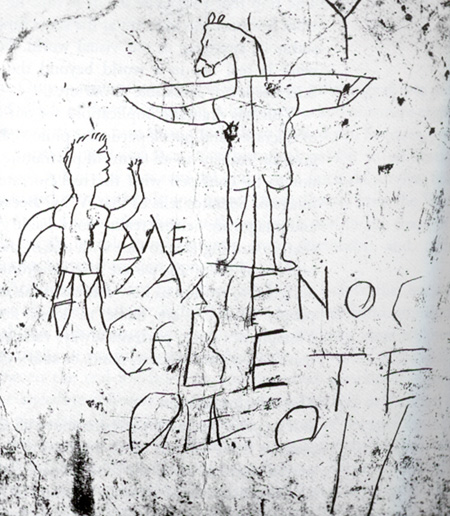
We can see in graphic form, what Gentiles thought of worshipping a god who had been crucified. A drawing  titled “graffito blasfemo” is ancient graffito dating back to the Roman Empire inscribed on a wall near the Palatine Hill in Rome, discovered again in 1857. It is the first known depiction of the Crucifixion of Christ, and notably, in mockery. The inscription depicts the crucified Jesus with the head of an ass, and reads “Alexamenos sebete theon”, meaning either “Alexamenos worships his god” or perhaps a command “Alexamenos, worship your god!”[4]

The drawing illustrates the contempt Gentiles had for the message that a god had been crucified. He was no god, he was an ass. But such is the wisdom of God!

The Offensive Beauty of the Cross is the Wisdom of God

Paul doesn’t dress the cross up with eloquent words, nor water down its message with something more “people pleasing”. That would make the power of the cross empty and void.

Instead Paul writes “For the word of the cross is folly to those who are perishing, but to us who are being saved it is the power of God!”

Then Paul lifts the veil on the wisdom of God:

 (19) For it is written, “I will destroy the wisdom of the wise, and the discernment of the discerning I will thwart.” (20) Where is the one who is wise? Where is the scribe? Where is the debater of this age? Has not God made foolish the wisdom of the world? (21) For since, in the wisdom of God, the world did not know God through wisdom, it pleased God through the folly of what we preach to save those who believe.

Wisdom is never man-centered. Mankind had plenty of opportunities to know God through ‘wisdom’. Still mankind did not come to know God. Indeed, God had made the wisdom of man to be foolish, time after time.

Solomon wrote: “Doing wrong is like a joke to a fool, but wisdom is pleasure to a man of understanding”. Proverbs 10:23. In the wisdom of man, Jesus is displayed as a crucified ass.  In the wisdom of God, the crucified Jesus is the power of salvation!

God established the Societies of the Earth through His wisdom.

It is he who made the earth by his power, who established the world by his wisdom, and by his understanding stretched out the heavens. Jeremiah 10:12 (ESV)

When men reject His wisdom, standards of behavior breakdown, and that which is wrong is OK, it’s funny, it’s “horse-play”.[5] When men reject His wisdom, they laugh and cheer when a ‘thug’ beats an old man unconscious on a crowded Chicago subway platform.[6]

Paul proudly proclaims the message of the cross, for He knows it is the wisdom of God that has established this world, and will save this world. His message is confrontational. It is not “seeker-friendly”. It is neither inclusive nor politically correct. He acknowledges the difficulty of his message,

(22) For Jews demand signs and Greeks seek wisdom, (23) but we preach Christ crucified, a stumbling block to Jews and folly to Gentiles

Crucifixion was ridiculous to the point of obscene to Gentiles. But to Jews, the obstacles were even greater to seeing Jesus Christ as the Messiah of God.

“Stumbling block” comes from the Greek term σκάνδαλον. (skandalon), which refers to a “temptation to sin” or “an enticement to apostasy and unbelief.” A stumbling block was “an obstacle in coming to faith and a cause of going astray in it.”

For a Jew to believe in the crucified Jesus as Messiah, he would have to “stray” from his faith. Since their faith was their identity, it was scandalous for a Jew to confess a crucified Jesus as Messiah. The  offense of the cross was seen as the means of stripping a Jew of his cultural and religious identity. The crucifixion hindered Jews from coming to saving faith. They simply could not overcome their preconceived notions about what the crucifixion signified. The words of Deuteronomy were too contradictory:

(22) “And if a man has committed a crime punishable by death and he is put to death, and you hang him on a tree, (23) his body shall not remain all night on the tree, but you shall bury him the same day, for a hanged man is cursed by God. You shall not defile your land that the LORD your God is giving you for an inheritance. Deuteronomy 21:22-23 (ESV)

Jesus could never be the Messiah, for he was a man cursed by God! God would never curse the Messiah to Hades! As one writer states, “He who is placed there for faith Himself becomes an obstacle to faith.” [7]The very content of Paul’s message caused Jews to turn away.

When Paul boasted in 1 Cor 1:23 that he preached “Christ crucified,” he understood that his message cut deeply against the grain of his culture. Yet the apostle was undeterred. Paul understood that cultural expectations did not alter his responsibility to preach the truth, nor did those expectations hinder the power of the gospel to save[8].

Despite these cultural obstacles, Paul never altered the message of the cross to be more palatable or less socially and religiously offensive. Rather that cloak the cross in seeker-friendliness, he boldly displayed it even though it often turned hearers away.

So the wisdom of God was a stumbling block to Jews, and foolishness to Gentiles. And yet the wisdom of God as preached in the Cross changes the world, and saves sinners from hell.

“For the word of the cross is folly to those who are perishing, but to us who are being saved it is the power of God”. 1 Corinthians 1:18 (ESV)

As Donald Green wrote:

“this verse shows the church of Jesus Christ that it must return to cultural confrontation with its gospel preaching instead of pursuing cultural accommodation. “Christ crucified” was not a “seeker-friendly” message in the first century. It was an absurd obscenity to Gentiles and a scandalous oxymoron to Jews. The gospel guaranteed offense.

1 Cor 1:23 shows that allegiance to the truth supersedes any desire to please men. Far better to live under the smile of God than to dilute the gospel for the approval of men and thereby empty the cross of its power (1 Cor 1:17)[9].

The Wisdom of God is seen in the offensive Cross.

  • God alone knows where wisdom dwells and where it originates (Job 28:12, 20);
  • No other living being possesses this knowledge about wisdom (see Job 28:21).
  • For humans, the beginning of wisdom and the supreme wisdom is to properly fear and reverence God (Job 28:28; Prov. 1:7; cf. Prov. 8:13);
  • God is the master, creator, and giver of wisdom (see Job 28:27; Prov. 8:22, 23).
  • He employed wisdom as His master craftsman to create all things (Ps. 104:24; Jer. 10:12).
  • Rulers govern wisely by means of wisdom provided by God (1 Ki. 3:28; cf. Prov. 8:15, 16).
  • Wisdom keeps company with all the other virtues: prudence, knowledge, and discretion (Prov. 8:12).
  • The portrayal of wisdom in Proverbs 8:22-24 lies behind Paul’s magnificent picture of Christ in Colossians 1:15, 16, for all the treasures of wisdom are lodged in Christ (cf. Col. 2:3).[10]

I have taught you the way of wisdom; I have led you in the paths of uprightness. Proverbs 4:11 (ESV)

1. Wisdom of the Cross Exalts God

25 For the foolishness of God is wiser than men, and the weakness of God is stronger than men.

 “Worthy is the Lamb who was slain, to receive power and wealth and wisdom and might and honor and glory and blessing!”  Revelation 5:12 (ESV)

Philippians 2:8-9 (ESV)  And being found in human form, he humbled himself by becoming obedient to the point of death, even death on a cross. Therefore God has highly exalted him and bestowed on him the name that is above every name…

2. The Wisdom of the Cross Humbles Us

Paul presents the cross to a church that is divided and worldly. Instead of glorying in the offensive message of the Cross, they are wrapping themselves in the corrupted wisdom of the world. Paul tells them to look around and consider who they really are…

1 Cor 1:26 For consider your calling, brothers: not many of you were wise according to worldly standards, not many were powerful, not many were of noble birth. 27 But God chose what is foolish in the world to shame the wise; God chose what is weak in the world to shame the strong; 28 God chose what is low and despised in the world, even things that are not, to bring to nothing things that are,

Look who God uses: Foolish,Weak, Despised, and ‘are Nots’. These are the ones who come to this offensive cross. People who have nothing else to lose, people who have everything to gain. The cross is not offensive to the nothings, to the ‘are nots’, for they can relate to its message. They understand the message of a God who became as they are. This God loved them so much that He became like them, even worse than them. He became cursed for them.

This is the wisdom of God that was before the foundation of the world! God would hang His own son on a tree, and there Jesus would be cursed with all the sin and ugliness of mankind. His son would become lower than a worm, hardly a man. Yes, Jesus became a nothing, an ‘are not’, in order to reveal to the world the wisdom of God. That wisdom is about humbling ourselves to the cross, the place where the pride of man is stripped away. The place where there is no glory for man. The place where we can only behold the beauty of the crucified one!

We must be brought to nothing to receive the wisdom of God! We must kneel as nothings before the cross of shame and folly.

When the Lord’s people embrace the “nothing” message, the world views them as nothing. But in the next age God will shame the wise and the strong and bring to nothing the things that in this age are viewed as something.
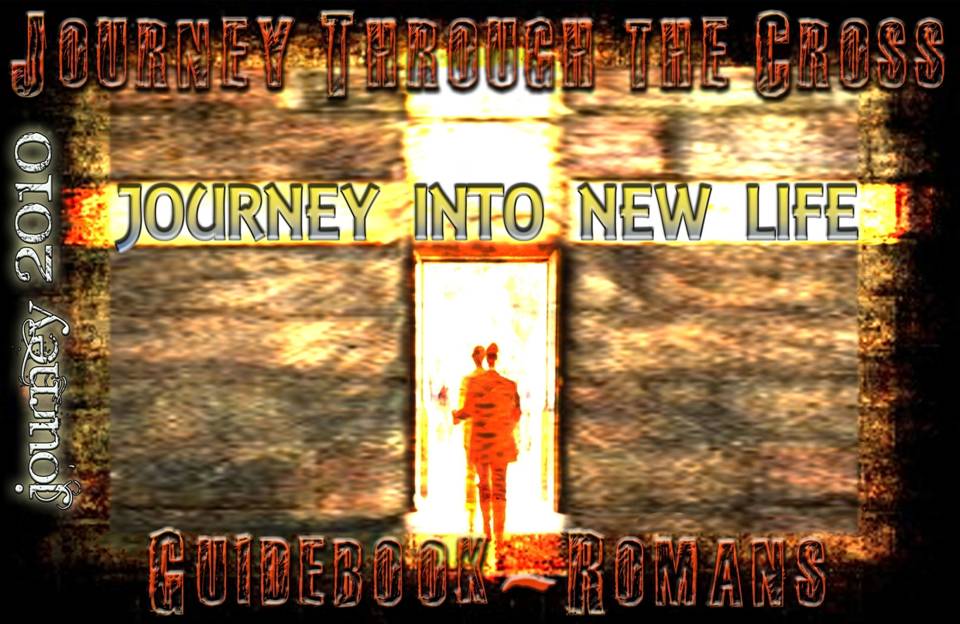
The Cry of the Wisdom of the Cross is:

“so that no human being might boast in the presence of God”. (1 Cor 1:29)

We must humble ourselves before the cross, for the cross is the mercy seat, the place where Christ’s blood was shed before His Father, and where our sins are forgiven. But we must realize our need first, and then we must humble ourselves before the cross. There is no salvation without the Cross!

2 Corinthians 4:7 (ESV) But we have this treasure in jars of clay, to show that the surpassing power belongs to God and not to us.

3. The Wisdom of the Cross Transforms Us.

Through the wisdom of the Cross, we have access to all that is Christ’s. The Cross allows God to place us IN CHRIST. The Cross gives us His wisdom. The Cross is the gateway for the righteousness, sanctification and redemption of Christ to be ours!

30 And because of him you are in Christ Jesus, who became to us wisdom from God, righteousness and sanctification and redemption, 31 so that, as it is written, “Let the one who boasts, boast in the Lord.”  

By the Father’s doing, believers are placed in Jesus Christ. Because of this we possess the wisdom of God—Christ crucified, the very essence of God’s wisdom. Through this wisdom, we have justification at God’s court, sanctification before His presence, and total redemption. More than that, we have all the wealth and power and beauty of Jesus Christ. It is as if the kneeling at the Cross entitles us to this huge blank check that will provide us everything that is Christ’s. It is a check that never expires. If only those Jews could see what is on the other side of the cross!

The Cross is to be gloried in daily as we present ourselves as living sacrifices, holy and acceptable to God. God delights in the ‘are not’s! God uses ‘are not’s to accomplish His will in this world!

 (1) I appeal to you therefore, brothers, by the mercies of God, to present your bodies as a living sacrifice, holy and acceptable to God, which is your spiritual worship. (2) Do not be conformed to this world, but be transformed by the renewal of your mind, that by testing you may discern what is the will of God, what is good and acceptable and perfect. Romans 12:1-2 (ESV)

 We Must Keep our Focus on the Cross

(10) We have an altar from which those who serve the tent have no right to eat. (11) For the bodies of those animals whose blood is brought into the holy places by the high priest as a sacrifice for sin are burned outside the camp. (12) So Jesus also suffered outside the gate in order to sanctify the people through his own blood. (13) Therefore let us go to him outside the camp and bear the reproach he endured. (14) For here we have no lasting city, but we seek the city that is to come. (15) Through him then let us continually offer up a sacrifice of praise to God, that is, the fruit of lips that acknowledge his name. (16) Do not neglect to do good and to share what you have, for such sacrifices are pleasing to God. Hebrews 13:10-16 (ESV)

 The folly, reproach and shame of the Cross is to be our guide for service! We are not to embrace a culturally acceptable cross, but to follow Christ outside the camp, where the dirty, the despised and dangerous dwell. We are to take the message of the Cross to the “Are Nots!” It is not the popular ministry. But it is the Ministry of the Cross!


[1] Donald Green, “THE FOLLY OF THE CROSS” , http://www.tms.edu/tmsj/tmsj15c.pdf

[2] Martin Hengel, Crucifixion (Philadephia: Fortress, 1977) 38.

[3] Cicero, “The Speech In Defence of Gaius Rabirius,” sec. 16, in The Speeches of Cicero, trans. H. Grose Hodge, The Loeb Classical Library (New York: G. P. Putnam’s Sons, 1927) 467.

[7] Gustav Stahlin, “σκάνδαλον” in Theological Dictionary of the New Testament, ed. Gerhard Friedrich, trans. and ed. Geoffrey W. Bromiley (Grand Rapids: Eerdmans, 1971) 7:352.

[8] Hengel, Crucifixion, 5.

[9] Donald E Green, “The Folly of the Cross” as seen at http://www.tms.edu/tmsj/tmsj15c.pdf

[10] Warren Baker and Eugene Carpenter, The Complete Word Study Dictionary – Old Testament, (Chattanooga, TN: AMG Publishers, 2003), WORDsearch CROSS e-book, 337.


Harriet Tubman said: “Every great dream begins with a dreamer. Always remember, you have within you the strength, the patience, and the passion to reach for the stars to change the world”.

  • You are never too old to set another goal or to dream a new dream.” C.S. Lewis
  • “Dreams are illustrations… from the book your soul is writing about you.” Marsha Norman
  • “Don’t be pushed by your problems. Be led by your dreams.”
  • “Dreams are like stars…you may never touch them, but if you follow them they will lead you to your destiny.”
  • “The inability to open up to hope is what blocks trust, and blocked trust is the reason for blighted dreams”. Elizabeth Gilbert

Nearly two thousand years ago a solitary man hung on a cross, suspended between heaven and earth. His crucifixion was the manifestation of a dream that God had before time began[1]. That dream to restore mankind to God[2] resulted in God Himself being born as a defenseless baby in a forgotten manger, to parents of no standing or reputation[3]. That baby dreamed dreams not of success, not of comfort, not of adventures, but of a horrible death, death on the cross. Instead of visions of fame and riches, he had visions of the floodgates of the sins of all humanity being opened upon Him[4]. Instead of dreams of the love of his father and mother, his dreams were of becoming the vilest creation in the universe, and becoming forsaken by his Heavenly Father[5].

As Jesus hung on the tree, Scriptures says “He became cursed for you and me”[6]. While He became cursed for us, He was beloved by His Father[7], because he was being obedient[8], and He was acting on His Father’s behalf[9]. Jesus had come to earth to set things right. He had come to restore righteousness and justice[10] to a world in the grip of an evil overlord who was bent on enslaving man for himself. He had come to take back this world from satan and from sin, and return God’s Justice to the world[11]. When Jesus ascended to heaven in view of over 500 witnesses, He was holding a huge IOU signed by God[12]. That IOU gave Jesus ownership of the world, of the nations[13] and of all those who trusted in Him as their Savior.

God wrote an IOU to His Son, a huge IOU, and some day Jesus will return to claim it!

The Father is delaying the return of Christ[14] so that more people can be redeemed from the curse. He is delaying the return so that the Bride of Christ can be prepared[15]. Moreover, here we are on the cusp of a new year. Will this be the year our Lord returns to claim His IOU? Will this be the year the vision of Isaiah comes to pass?

Isa 43:19  “Behold, I am doing a new thing; now it springs forth, do you not perceive it? I will make a way in the wilderness and rivers in the desert”.

God will do a New Thing, and when it springs forth, the way through the wilderness will open up, and there will be rivers running in the desert.

As we stand on the crest of a new year, I believe God wants us to listen to what His plans are. Behold, God wants us to give ear to Him!

Isaiah 42:8-9 “I am the LORD; that is my name; my glory I give to no other, nor my praise to carved idols. Behold, the former things have come to pass, and new things I now declare; before they spring forth I tell you of them”.

We are so pre-occupied with our life, our problems; our interests that we fail to look to God and see what He is doing. Most of the time we walk around so absorbed with what we have going on, that we lose our sense of God and His plans for our lives. Only when we are in a real bind do we look heavenward and call for a lifeline!

God has been challenging me of late. He has challenged me to lift up my Eyes[16] and Dream, Dream of What He wants to do. I Have A Dream for 2011.

Solomon described the type of church I want to pastor:

Proverbs 14:11 The house of the wicked shall be overthrown: but the tabernacle of the upright shall flourish.

In order to flourish and thrive, we need to focus on our Almighty God; we need to focus on what His plans are for our church and for our lives. We need to be focused on Him!

Proverbs 29:18 Where there is no vision, the people perish: but he that keepeth the law, happy is he.

We need a vision of God, a vision from God, and that vision will grow out of our love for God’s Word.

We need to be little Samuel’s, and say, “Lord, Speak, for I am Listening!” The reason Samuel was born was to restore the Word of the Lord to Israel:

1 Samuel 3:1 Meanwhile, the boy Samuel served the Lord by assisting Eli. Now in those days messages from the Lord were very rare, and visions were quite uncommon.

We need to have visions from God. We need to have messages from God! We need the Power of God’s Word in our lives and in our church! But He will not speak if we are not listening and willing to obey!

We need to be like Isaiah, that when we look into God’s face and we hear Him say, “Whom shall I send, and who will go for us?”

We need to stand and say, “Here am I! Send me!”

When we are dreaming alone it is only a dream. When we are dreaming with others, it is the beginning of reality. – Dom Helder Camara

I do not want to dream alone, so would you listen carefully and share in my dream?

I HAVE A DREAM

Ninety Nine Score years ago, the Son of God, in whose church we stand today, canceled the record of the charges against us and took it away by nailing it to the cross. That momentous decree disarmed the spiritual rulers and authorities, and shamed them publicly by his victory over them on the cross. (Colossians 2:14-15) The cross has become a great beacon of hope to billions of souls who have been enslaved by sin. Resurrection morning was the joyous daybreak that ended centuries of captivity to satan.

However, one thousand nine hundred and eighty years later, billions still are not free. Mankind is sadly crippled by the manacles of sin and the chains of satan.

One thousand nine hundred and eighty years later, multitudes are enslaved.

One thousand nine hundred and eighty years later, mankind languishes on a lonely island of spiritual poverty in the midst of a vast ocean of material prosperity.

One thousand nine hundred and eighty years later, mankind finds himself an exile in God’s own country.

Therefore, we have come here today knowing this world is in a shameful condition.

Our only Hope is that someday Jesus Christ will return to cash in the IOU he gained on the cross. When Christ blotted out our sins by nailing them to the cross, He was signing a promissory note that every man woman and child could be heir to. That note was a promise that all men, by faith, would be guaranteed the unalienable rights of eternal life, liberty from sin and the pursuit of God.

It is obvious today people of this world have failed to take this promissory note by faith. Instead of honoring a risen Savior, people have accepted a bad check from Satan, a check they believe promises freedom, but in reality enslaves them to sin and condemns them to hell.

But we refuse to believe that the dream of our Savior is faded and forgotten. We refuse to believe that he has insufficient power to reign over a defeated satan.

We refuse to believe that the bank of Heaven is bankrupt and without resources to bring men to salvation.

So we have come to cash this check — a check that will give us upon demand the riches of freedom in Christ and the security of justification before God!

We have come to this hallowed place to remind ourselves of the fierce urgency of now!

This is no time to engage in the luxury of complacency or to take the tranquilizing drug of apathy!

Now is the time to make real the Promises of Jesus Christ!

Now is the time to rise from the dark and desolate valley of indifference to the sunlit path of God’s Redemption Power!

Now is the time to lift our neighbors from the quick sands of sin and selfishness to the solid rock of the gospel of Jesus Christ. Now is the time to make redemption a reality for all of God’s children!

It would be fatal for this church to overlook the urgency of the moment. This freezing winter of mankind’s sinfulness will not pass until there is an invigorating Prairie wind of forgiveness and freedom from sin. Two Thousand Eleven is not an end, but a beginning.

Those who hope that the people of Pleasant Prairie will be silent and apathetic will have a rude awakening this year. There will be neither rest nor tranquility until we have freed our enslaved neighbors all around us. The whirlwinds of the Holy Spirit will continue to shake the foundations of our community until the bright light of Jesus Christ emerges in glory!

However, there is something that I must say to each one of us who stand on the warm threshold that leads into the Heavenly palace. In the process of winning souls for Christ, we must be conscious of our testimony for our Savior. We must be careful not to satisfy our thirst for God by drinking from the cup of self-effort.

We must forever conduct our struggle in the power of the Holy Spirit of God. We must not allow our passion for the lost to degenerate into selfishness and personal distractions.

Again and again, we must look upon Him who is invisible and rise to the majestic heights of walking by faith. The marvelous Holy Spirit must engulf our church and lead us not into temptation, but deliver us from evil, and cause us to rise up with the wings of eagles. Our freedom is inextricably bound in the freedom of the Spirit. We cannot walk alone!

As we walk, we must make the pledge that we shall always press toward the mark of the high calling in Christ Jesus. We cannot turn back, we cannot turn aside, and we cannot be distracted. Some of you are asking, “When should we be satisfied?” We can never be satisfied as long as one man remains the victim of the unspeakable horrors of sin.

  • We can never be satisfied, as long as our brothers, backslidden with sin, turn their backs on fellowship with God’s saints.
  • We can never be satisfied as long as the needs of our neighbors go unmet because of our callousness and selfishness.
  • We can never be satisfied as long as children are stripped of their hope and joy by parents who fail to teach them of their loving creator God, and the Savior who died for them.
  • We can never be satisfied as long as our neighbors think there is nothing beyond the grave but darkness.
  • We can never be satisfied knowing our neighbors will face the judgment of God without our Savior Jesus Christ and be cast into the lake of fire for all eternity.

No… no…, we are never satisfied, and we will not be satisfied until salvation rolls down like waters and righteousness like a mighty stream.

I am not unmindful that some of you have faced great trials and tribulations. Some of you have come fresh from personal tragedies. Some of you have been battered by the storms of tribulations and others have staggered through personal trials of faith.

May we remember God’s promise: “Do not fear, for I have redeemed you; I have called you by name; you are Mine!” When you pass through the waters, I will be with you; And through the rivers, they will not overflow you. When you walk through the fire, you will not be scorched, nor will the flame burn you”!

I encourage you to count all things as loss for the excellence of the knowledge of Jesus Christ, and to keep pressing toward the mark of the high calling of God in Christ Jesus. May all your trials be the means of knowing Jesus, and the power of his resurrection, and the fellowship of his sufferings, being made conformable unto his death. Every trial and tribulation you endure is more precious than gold!

Let us go back to Belton, go back to Peculiar, go back to Cleveland, go back to Freeman, go back to Raymore, go back to your homes and neighborhoods, knowing that the salvation of your neighbors, of your children, of your grandchildren can and will be achieved through the power of the Holy Spirit. May we never wallow in the valley of despair or defeat.

I say to you today, my friends, even though we face difficulties in the year ahead, I still have a dream. It is a dream deeply rooted in the quest of the Son of God.

I have a dream that one day “All the nations you have made shall come and worship before you, O Lord, and shall glorify your name. For you are great and do wondrous things; you alone are God”. Psalms 86:9-10

I have a dream that one day throughout our nation God will put His laws into our minds, and write them on our hearts, and He will be our God, and we shall be His people. (Heb 8:10)

I have a dream that one day the nations of this world, nations sweltering with the heat of injustice, sweltering with the heat of persecution and oppression, will be transformed by your throne, “Righteousness and justice are the foundation of your throne. Unfailing love and truth walk before you as attendants”. (Ps 89:14)

I have a dream that my children, their spouses and our grandchildren will one day dwell in the New Jerusalem because their names are written in the Lamb’s Book of Life!

I have a dream that each of you and each of your loved ones would enjoy the mansion that Jesus is building for you, because your hearts have embraced Him as your personal Savior.

I have a dream that Pleasant Prairie will be a place of giving people because we trust in the power of God to generously provide all we need. We will always have everything we need and plenty left over to share with others.

I have a dream that God will say of our church, “They share freely and give generously to the poor. Their good deeds will be remembered forever.”

I have a dream that Pleasant Prairie will be known as a house of prayer for all peoples, and that all who enter here will sense the Joy of God’s presence.[17]

I have a dream that Pleasant Prairie will be a place where husbands learn to love their wives and wives learn to respect their husbands.

I have a dream that Pleasant Prairie will be a place where children can come and find Jesus Christ and grow in His grace and His Word.

I have a dream that Pleasant Prairie will be a place for Families to be strengthened as they grow in grace, and in the knowledge of our Lord and Saviour Jesus Christ.

I have a dream that Pleasant Prairie will be a people of God’s Word, and to God’s Word they turn daily for it is our bread of life

I have a dream Pleasant Prairie will send out gospel teams ministering to the needs of our neighbors in the Name of Jesus Christ.

I have a dream that Pleasant Prairie will send out gospel teams to Africa and Asia and wherever the Lord burdens our hearts to go!

I have a dream that the folks of Pleasant Prairie will simply be willing to GO!

I have a dream today!

I have a dream that one day every valley shall be exalted, every hill and mountain shall be made low, the rough places will be made plain, and the crooked places will be made straight, and the glory of the Lord shall be revealed, and all flesh shall see it together.

This is our hope. This is the faith with which we enter 2011. With this faith, we will be able to hew out of the mountain of uncertainty a stone of precious Hope.

With this faith, we will be able to transform the jangling discords of sin and selfishness into a beautiful symphony of the Spirit’s Power.

With this faith we will be able to work together, to pray together, to struggle together, to witness together, to stand up for Jesus Christ together, knowing that our Savior will be returning soon!

This will be the day when all of God’s children will be able to sing with a new meaning,

O for a thousand tongues to sing my great Redeemer’s praise, the glories of my God and King, the triumphs of his grace!

My gracious Master and my God, assist me to proclaim, to spread through all the earth abroad the honors of thy name.

He breaks the power of canceled sin, he sets the prisoner free; his blood can make the foulest clean; his blood availed for me.

And if Pleasant Prairie Baptist is to be God’s church, this must become true. So let the freedom of the Gospel of Christ ring from Pleasant Prairie Baptist Church.

Let the freedom of the Gospel ring from the front yards of Belton.

Let the freedom of the Gospel ring from the hilltops of Peculiar.

Let the freedom of the Gospel ring from the rooftops of Raymore!

Let the freedom of the Gospel ring from the backyards of Cleveland!

Let the freedom of the Gospel ring from every hill and valley of our great nation. From every mountainside, let freedom ring.

And when this happens, when we proclaim the freedom of the Gospel of Jesus Christ, when we let it ring from every village and every town, from every state and every city, we will be able to speed up that day when all of God’s children, black and white, Jews and Gentiles, Protestants and Catholics, will be able to join hands and in the words of Psalm 98,

Sing to the Lord a new song, for he has done marvelous things! His right hand and his holy arm have worked salvation for him. The Lord has made known his salvation; he has revealed his righteousness in the sight of the nations. He has remembered his steadfast love and faithfulness to the house of Israel. All the ends of the earth have seen the salvation of our God.
And one day, when we finally behold the precious Lamb of God, “every knee will bow, and every tongue will confess that Jesus Christ is Lord to the glory of God our Father!” and we will sing a new song as Jesus claims His IOU!:

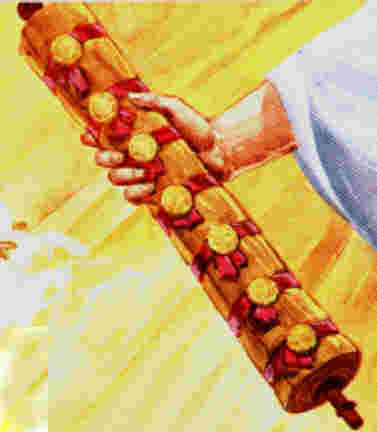
“You are worthy to take the scroll, and to open its seals; for you were slain, and have redeemed us to God by your blood out of every tribe and tongue and people and nation, and have made us kings and priests to our God; and we shall reign on the earth.”

And we will finally be able to shout:

“Free at last! Free at last! Thank Christ Almighty, we are free at last!”


[1] 1 Pet 1:19-21

[2] 2 Tim 1:9

[3] Phil 2:6-8

[4] Isa 53:10-11

[5] Mark 15:34

[6] Gal 3:13

[7] Matt 12:18

[8] Heb 5:8

[9] John 17:21

[10] Ps 37:6

[11] Isa 53:10-11

[12] Rev 5:1-5

[13] Ps 2:8

[14] 2 Pet 3:9

[15] Rev 19:7

[16] Isa 60:4

[17] Isa 56:7

Additional Verses which form the foundation for the Dream:

1 Peter 1:19-21 but with the precious blood of Christ, like that of a lamb without blemish or spot. He was foreknown before the foundation of the world but was made manifest in the last times for the sake of you who through him are believers in God, who raised him from the dead and gave him glory, so that your faith and hope are in God.

2 Timothy 1:9 Who hath saved us, and called us with an holy calling, not according to our works, but according to his own purpose and grace, which was given us in Christ Jesus before the world began,

Philippians 2:6-8 Who, being in the form of God, thought it not robbery to be equal with God: But made himself of no reputation, and took upon him the form of a servant, and was made in the likeness of men: And being found in fashion as a man, he humbled himself, and became obedient unto death, even the death of the cross.

Isaiah 53:6 All we like sheep have gone astray; we have turned every one to his own way; and the Lord hath laid on him the iniquity of us all.

Isaiah 53:10-11 Yet it pleased the Lord to bruise him; he hath put him to grief: when thou shalt make his soul an offering for sin, he shall see his seed, he shall prolong his days, and the pleasure of the Lord shall prosper in his hand. He shall see of the travail of his soul, and shall be satisfied: by his knowledge shall my righteous servant justify many; for he shall bear their iniquities.

Mark 15:34 And at the ninth hour Jesus cried with a loud voice, “Eloi, Eloi, lema sabachthani?” which means, “My God, my God, why have you forsaken me?”

Galatians 3:13 Christ redeemed us from the curse of the law by becoming a curse for us—for it is written, “Cursed is everyone who is hanged on a tree”—

Matthew 12:18 “Behold, my servant whom I have chosen, my beloved with whom my soul is well pleased. I will put my Spirit upon him, and he will proclaim justice to the Gentiles.

Hebrews 5:8 Although he was a son, he learned obedience through what he suffered.

John 17:21 that they may all be one, just as you, Father, are in me, and I in you, that they also may be in us, so that the world may believe that you have sent me.

Psalms 37:6 He will bring forth your righteousness as the light, and your justice as the noonday.

Revelation 5:1-5 Then I saw in the right hand of him who was seated on the throne a scroll written within and on the back, sealed with seven seals. And I saw a strong angel proclaiming with a loud voice, “Who is worthy to open the scroll and break its seals?” And no one in heaven or on earth or under the earth was able to open the scroll or to look into it, and I began to weep loudly because no one was found worthy to open the scroll or to look into it. And one of the elders said to me, “Weep no more; behold, the Lion of the tribe of Judah, the Root of David, has conquered, so that he can open the scroll and its seven seals.”

Psalms 2:8 Ask of me, and I will make the nations your heritage, and the ends of the earth your possession.

2 Peter 3:9 The Lord is not slow to fulfill his promise as some count slowness, but is patient toward you, not wishing that any should perish, but that all should reach repentance.

Revelation 19:7 Let us rejoice and exult and give him the glory, for the marriage of the Lamb has come, and his Bride has made herself ready;

Isaiah 43:19 Behold, I am doing a new thing; now it springs forth, do you not perceive it? I will make a way in the wilderness and rivers in the desert.

Isaiah 42:8-9 I am the Lord; that is my name; my glory I give to no other, nor my praise to carved idols. Behold, the former things have come to pass, and new things I now declare; before they spring forth I tell you of them.”

Jeremiah 2:13 “For my people have done two evil things: They have abandoned me— the fountain of living water. And they have dug for themselves cracked cisterns that can hold no water at all!

Isaiah 60:4 4 Lift up your eyes all around, and see; they all gather together, they come to you; your sons shall come from afar, and your daughters shall be carried on the hip.

Proverbs 14:11 The house of the wicked will be destroyed, but the tent of the upright will flourish.

Proverbs 29:18 Where there is no vision, the people perish: but he that keepeth the law, happy is he.

1 Samuel 3:10 And the Lord came, and stood, and called as at other times, Samuel, Samuel. Then Samuel answered, Speak; for thy servant heareth.

1 Samuel 3:1 Meanwhile, the boy Samuel served the Lord by assisting Eli. Now in those days messages from the Lord were very rare, and visions were quite uncommon.

Jeremiah 11:14 “Therefore do not pray for this people, or lift up a cry or prayer on their behalf, for I will not listen when they call to me in the time of their trouble.

Jeremiah 6:10 To whom shall I speak and give warning, that they may hear? Behold, their ears are uncircumcised, they cannot listen; behold, the word of the Lord is to them an object of scorn; they take no pleasure in it.

Isaiah 6:8-9 And I heard the voice of the Lord saying, “Whom shall I send, and who will go for us?” Then I said, “Here am I! Send me.” And he said, “Go, and say to this people: “ ‘Keep on hearing, but do not understand; keep on seeing, but do not perceive.’

Colossians 2:14-15 by canceling the record of debt that stood against us with its legal demands. This he set aside, nailing it to the cross. He disarmed the rulers and authorities and put them to open shame, by triumphing over them in him.

Hebrews 12:26-29 At that time his voice shook the earth, but now he has promised, “Yet once more I will shake not only the earth but also the heavens.” This phrase, “Yet once more,” indicates the removal of things that are shaken—that is, things that have been made—in order that the things that cannot be shaken may remain. Therefore let us be grateful for receiving a kingdom that cannot be shaken, and thus let us offer to God acceptable worship, with reverence and awe, for our God is a consuming fire.

Luke 11:4 and forgive us our sins, for we ourselves forgive everyone who is indebted to us. And lead us not into temptation.”

Isaiah 40:31 but they who wait for the Lord shall renew their strength; they shall mount up with wings like eagles; they shall run and not be weary; they shall walk and not faint.

Acts 1:8 But you will receive power when the Holy Spirit has come upon you, and you will be my witnesses in Jerusalem and in all Judea and Samaria, and to the end of the earth.”

Romans 15:13 May the God of hope fill you with all joy and peace in believing, so that by the power of the Holy Spirit you may abound in hope.

1 Thessalonians 1:5 because our gospel came to you not only in word, but also in power and in the Holy Spirit and with full conviction. You know what kind of men we proved to be among you for your sake.

2 Corinthians 3:17 Now the Lord is the Spirit, and where the Spirit of the Lord is, there is freedom.

Philippians 3:14 I press toward the mark for the prize of the high calling of God in Christ Jesus.

2 Corinthians 5:7 for we walk by faith, not by sight.

Isaiah 35:6 then shall the lame man leap like a deer, and the tongue of the mute sing for joy. For waters break forth in the wilderness, and streams in the desert;

Isaiah 43:1-2 But now, thus says the Lord, your Creator, O Jacob, And He who formed you, O Israel, “Do not fear, for I have redeemed you; I have called you by name; you are Mine! “When you pass through the waters, I will be with you; And through the rivers, they will not overflow you. When you walk through the fire, you will not be scorched, Nor will the flame burn you.

Philippians 3:8 Yea doubtless, and I count all things but loss for the excellency of the knowledge of Christ Jesus my Lord: for whom I have suffered the loss of all things, and do count them but dung, that I may win Christ,

Philippians 3:10 That I may know him, and the power of his resurrection, and the fellowship of his sufferings, being made conformable unto his death;

1 Peter 1:6-7 In this you rejoice, though now for a little while, if necessary, you have been grieved by various trials, so that the tested genuineness of your faith—more precious than gold that perishes though it is tested by fire—may be found to result in praise and glory and honor at the revelation of Jesus Christ.

Psalms 86:9-10 All the nations you have made shall come and worship before you, O Lord, and shall glorify your name. For you are great and do wondrous things; you alone are God.

Hebrews 8:10 For this is the covenant that I will make with the house of Israel after those days, declares the Lord: I will put my laws into their minds, and write them on their hearts, and I will be their God, and they shall be my people.

Psalms 89:14 Righteousness and justice are the foundation of your throne; steadfast love and faithfulness go before you.

Revelation 20:15 And if anyone’s name was not found written in the book of life, he was thrown into the lake of fire.

Revelation 21:27 But nothing unclean will ever enter it, nor anyone who does what is detestable or false, but only those who are written in the Lamb’s book of life.

John 14:1-3 Let not your heart be troubled: ye believe in God, believe also in me. In my Father’s house are many mansions: if it were not so, I would have told you. I go to prepare a place for you. And if I go and prepare a place for you, I will come again, and receive you unto myself; that where I am, there ye may be also.

2 Corinthians 9:7-9 You must each decide in your heart how much to give. And don’t give reluctantly or in response to pressure. “For God loves a person who gives cheerfully.” And God will generously provide all you need. Then you will always have everything you need and plenty left over to share with others. As the Scriptures say, “They share freely and give generously to the poor. Their good deeds will be remembered forever.”

Isaiah 56:7 these I will bring to my holy mountain, and make them joyful in my house of prayer; their burnt offerings and their sacrifices will be accepted on my altar; for my house shall be called a house of prayer for all peoples.”

Ephesians 5:25-28 Husbands, love your wives, as Christ loved the church and gave himself up for her, that he might sanctify her, having cleansed her by the washing of water with the word, so that he might present the church to himself in splendor, without spot or wrinkle or any such thing, that she might be holy and without blemish. In the same way husbands should love their wives as their own bodies. He who loves his wife loves himself.

Ephesians 5:33 However, let each one of you love his wife as himself, and let the wife see that she respects her husband.

Ephesians 6:4 Fathers, do not provoke your children to anger, but bring them up in the discipline and instruction of the Lord.

Mark 10:14-15 But when Jesus saw it, he was indignant and said to them, “Let the children come to me; do not hinder them, for to such belongs the kingdom of God. Truly, I say to you, whoever does not receive the kingdom of God like a child shall not enter it.”

2 Peter 3:18 But grow in the grace and knowledge of our Lord and Savior Jesus Christ. To him be the glory both now and to the day of eternity. Amen.

Matthew 4:4 4 But he answered, “It is written, “ ‘Man shall not live by bread alone, but by every word that comes from the mouth of God.’ ”

Mark 16:15 And he said to them, “Go into all the world and proclaim the gospel to the whole creation.

Matthew 28:19-20 Go therefore and make disciples of all nations, baptizing them in the name of the Father and of the Son and of the Holy Spirit, teaching them to observe all that I have commanded you. And behold, I am with you always, to the end of the age.”

Luke 3:5-6 Every valley shall be filled, and every mountain and hill shall be made low, and the crooked shall become straight, and the rough places shall become level ways, and all flesh shall see the salvation of God.’ ”

Hebrews 10:25 And let us not neglect our meeting together, as some people do, but encourage one another, especially now that the day of his return is drawing near.

Psalms 98:1-4 Sing a new song to the Lord, for he has done wonderful deeds. His right hand has won a mighty victory; his holy arm has shown his saving power! The Lord has announced his victory and has revealed his righteousness to every nation! He has remembered his promise to love and be faithful to Israel. The ends of the earth have seen the victory of our God. Shout to the Lord, all the earth; break out in praise and sing for joy!

Romans 14:11 For it is written, As I live, saith the Lord, every knee shall bow to me, and every tongue shall confess to God.

Philippians 2:10-11 That at the name of Jesus every knee should bow, of things in heaven, and things in earth, and things under the earth; And that every tongue should confess that Jesus Christ is Lord, to the glory of God the Father.

Isaiah 45:23 By myself I have sworn; from my mouth has gone out in righteousness a word that shall not return: ‘To me every knee shall bow, every tongue shall swear allegiance.’

Revelation 5:8-10 When he had taken the book, the four living creatures and the twenty-four elders prostrated themselves before the Lamb. Each of them had a harp, and they had golden bowls full of incense, which are the prayers of the saints. They sang a new song and these are the words they sang, “You are worthy to take the scroll, and to open its seals; for you were slain, and have redeemed us to God by your blood out of every tribe and tongue and people and nation, and have made us kings and priests to our God; and we shall reign on the earth.”


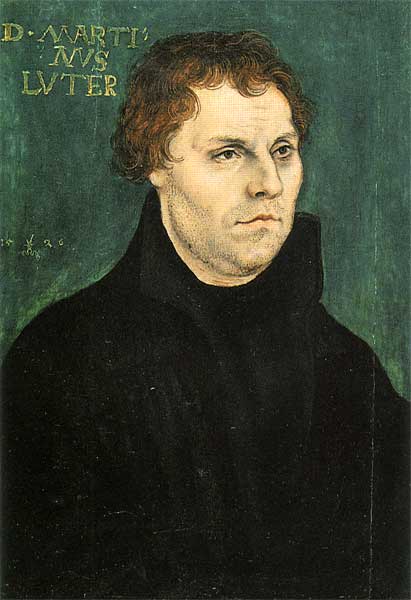
“The epistle to the Romans is the true masterpiece of the New Testament and the very purest gospel, which is well worth and deserving that a Christian man should not only learn it by heart, word for word, but also that he should daily deal with it as the daily bread of men’s souls. It can never be too much or too well read or studied, and the more it is handled the more precious it becomes, and the better it tastes” (Martin Luther).

Paul wrote this letter about 56 A. D. when he was in the city of Corinth, before his trip to Jerusalem. Written to a church he hoped to visit soon. Paul had not yet visited the church in Rome. He wanted to go there and he prayed that God would make this visit possible (Rom. 1:10-12; 15:23-24). This makes the letter to the Romans unique. Most of Paul’s other letters were written to churches where he had personally ministered. But here was a church (the church at Rome) where Paul had not been and where Paul had not taught.

So the Book of Romans was preparation for when Paul would arrive in Rome.

Here in the book of Romans Paul gives a doctrinal preview of the content of his teaching ministry. What Paul unfolds in these 16 chapters is nothing less than a doctrinal masterpiece.

  • What is being a Christian all about?
  • What are the central truths of Christianity?
  • What is the gospel really?
  • What formed the foundation of Apostle Paul’s preaching wherever he went?

Influence of Romans

To find the answer to all these questions we turn to the greatest doctrinal book in the New Testament — the epistle of Paul to the Romans.

A group of scholars once made a list of the fifteen greatest books, books that were great based upon their beneficial influence upon humanity. Included in this list were John Wesley’sJournal, Luther’s 95 Theses, Augustine’s City of God and John Bunyan‘s Pilgrim’s Progress.

  • As his Journal reveals, Wesley was an unsaved preacher until he read the book of Romans and understood God’s way of salvation.
  • Luther, a Catholic monk, was greatly influenced by Romans 1:17, “The just shall live by faith,” which opened his eyes to the truth of justification by faith.
  • Augustine’s City of God was founded on his study of the Book of Romans.
  • Bunyan’s Pilgrim’s Progress was written after reading the Book of Romans in prison.  It became the best selling book of all time, next to the Bible.

Among the greatest books of the world, four which come near the top of the list were all directly influenced by the Book of Romans.

Has the Book of Romans changed your life? When was the last time you read through Romans?

Although Paul knows many of the people to whom he is writing, he did not found the church, and he has never been to Rome. So he has some work to do in the first 17 verses to introduce himself and his agenda. The “gospel” ties together Romans 1:1-17, and, indeed, the entire letter. In the introduction, Paul features both the content and the power of the gospel that unites Jewish and Gentile believers in Rome.

The object of the apostle in writing to this church was to explain to them the great doctrines of the gospel. His epistle was a “word in season.” Himself deeply impressed with a sense of the value of the doctrines of salvation, he opens up in a clear and connected form the whole system of the gospel in its relation both to Jew and Gentile.

Preparation for the Journey

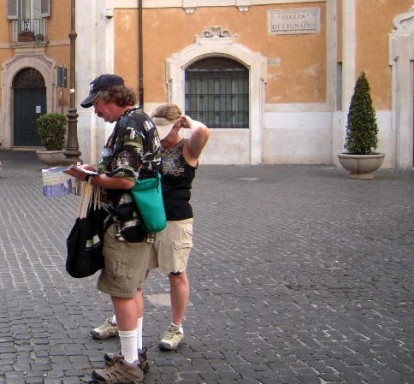
Whenever I take a trip, I like to prepare myself so I can make the most of my time in the place I’m going. There are three things which you should study about your destination if you are to get the most of your time there:

  1. The Personality (of the people)
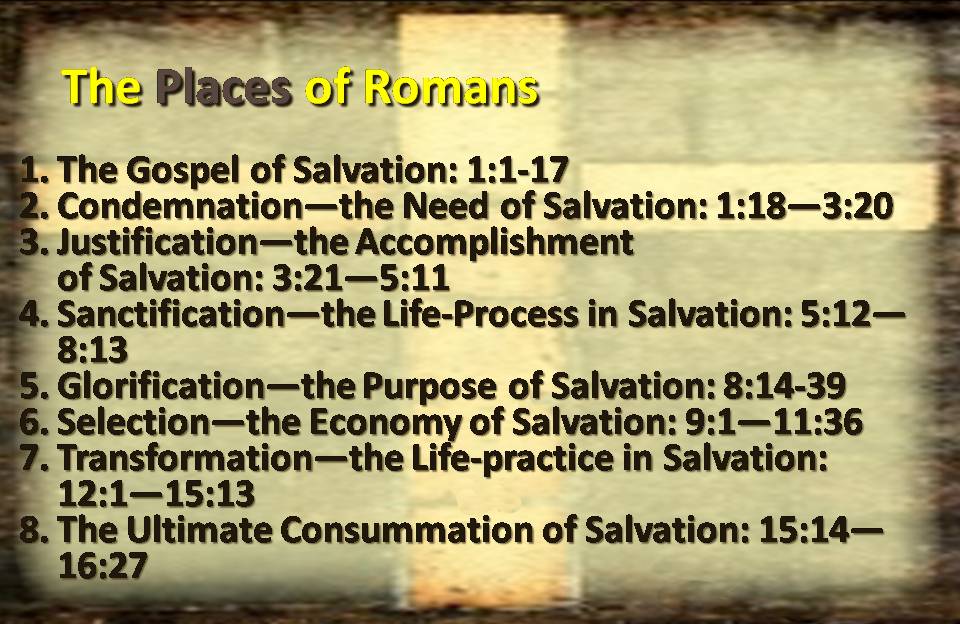
  2. The Places (what should we see)
  3. The Pillars (make it a desirable destination)

I. THE PERSONALITY OF ROMANS

The following terms must be understood if we are to understand the personality of Romans. Paul’s approach to these terms are nothing short of foundational to understanding the true Gospel of Jesus Christ. I am certain that most of us do not understand these terms the way Paul wants us to.

A. The LAW –  78x in 51 verses

  • For it is not the hearers of the law who are righteous before God, but the doers of the law who will be justified. Romans 2:13 (ESV)

The Law is not to be understood in terms of  “Thou shall and thou shall not’s“. We commonly think that laws are obeyed and satisfied by works, whether your heart is in it or not. But God’s Law makes its demands not on your works but on the depths of your heart and does not let the heart rest content in works.

God calls all of us liars in Ps 116:11, because none of us keep the law from the depths of our heart. We all have an aversion to good and a craving for that which is forbidden. If our heart does not freely desire righteousness, our heart has not set itself on God’s Law. Regardless of outward good works, the appearance of an honorable life, our heart is sinful and deserving of the wrath of Righteous Holy God.

Romans  Two is pointed at the Jews, who are proud of their outward holiness. But Paul says that they are all sinners, and that only does of the law are justified in the sight of God. He reveals that no matter their outward obedience, there is none that truly obey. On the contrary, he says to them, “You teach that one should not commit adultery, and you commit adultery. You judge another in a certain matter and condemn yourselves in that same matter, because you do the very same thing that you judged in another.”

  • You who boast in the law dishonor God by breaking the law. Romans 2:23 (ESV)

It is as if he were saying, “Outwardly you live quite properly in the works of the law and judge those who do not live the same way; you know how to teach everybody. You see the speck in another’s eye but do not notice the beam in your own.”

You keep the Law (selfish motivations) outwardly out of fear of punishment or love of reward. You do everything as though you are chained-without free desire and love of the Law. If the Law did not exist you would be relieved, you would rejoice. In fact, Paul says (in Romans 5) that the Law causes sin to increase. This is because a person becomes more and more and enemy of the Law the more it demands of him what he can’t possibly do.

In Romans Seven, Paul says the Law is “spiritual”. What he means is that it were physical, it could be satisfied by your works. Since it is spiritual, no one can satisfy the law unless everything you do springs from the depths of your heart. But no one can have such a heart except the Spirit of God, who gives us a New Heart which has a heartfelt longing for the law and does everything not through fear or coercion, but from a new free and willing heart!

Only by a new heart energized by the Holy Spirit can one fulfill the Spiritual Law. Otherwise we remain an enemy of the Law by nature.

You must get used to the idea that it is one thing to do the works of the law and quite another to fulfill it. The works of the law are everything that a person does or can do of his own free will and by his own powers to obey the law. But because in doing such works the heart abhors the law and yet is forced to obey it, the works are a total loss and are completely useless.

That is what St. Paul means in chapter 3 when he says, “No human being is justified before God through the works of the law.”

Fulfilling the Law of God

To fulfill the Law means to actively obey and do its work lovingly and freely, as if there was no Law. The Law is the expression of the character of God. The only way to fulfill the Law is through possessing the love and character of God in your heart and being!

Paul says that only the Holy Spirit can fill us with this Divine Love: “God’s love has been poured into our hearts through the Holy Spirit who has been given to us”. Romans 5:5 (ESV)  But the Spirit is given only in, with, and through faith in Jesus Christ, as Paul says in his introduction to Romans. For in it the righteousness of God is revealed from faith for faith, as it is written, “The righteous shall live by faith.” Romans 1:17 (ESV)

Faith alone makes the Love and Righteousness of God reality in our hearts. Faith alone fulfills the righteousness of the Law. Good works that proceed from faith alone are the only works that satisfy the demands of the Law.

The Law as Paul sees it: The Law is Spiritual – the revealed Character of Holy God.

B. SINS and SIN  – 48x – 41 verses

In Romans Paul deals with our sins, and then he deals with our sin. Sins refers to the external works of the body and soul. Sins of omission and commission. Sin refers to those forces within us that move us to do the sins. Sin is from the depth of our wicked heart with all its powers and inclinations.

The root and source of our sins is the sin nature that comes with being “in (the unbelief) of Adam”. The Holy Spirit and the Scriptures see into the heart, to the root source of sins, and that is our sin nature, which is founded in unbelief in the depth of the heart.

Just as faith alone makes us just and brings the Spirit and the desire to do good external works, so it is only unbelief which sins and exalts the flesh and brings desire to do evil external works.

That’s what happened to Adam and Eve in Paradise (cf. Genesis 3). That is why unbelief is called sin by Christ, as he says in John, chapter 16, “The Spirit will judge the world because of sin, because it does not believe in me.”

  • Sin is the nature we possess that causes us to not believe.
  • Sins are what result as a result of our unbelieving sin nature.

In Romans, Paul will show us how God can deal with our sins, and also our sin!

C. Grace and Gifts – 21x – 18 verses

  • and are justified by his grace as a gift, through the redemption that is in Christ Jesus, Romans 3:24 (ESV)

Grace is the active force in our lives which makes us completely just before God. God’s grace is not divided into bits and pieces, as are the gifts, but grace takes us up completely into God’s favor for the sake of Christ, our intercessor and mediator, so that the gifts may begin their work in us.

By this, we understand chapter 7, where Paul portrays himself as still a sinner, while in chapter 8 he says that, because of the incomplete gifts and because of the Spirit, there is nothing damnable in those who are in Christ. Because our flesh has not been killed, we are still sinners, but because we believe in Christ and have the beginnings of the Spirit, God so shows us his favor and mercy, that he neither notices nor judges such sins.

God’s grace allows Him to deal with us according to our position in Christ until our flesh is completely redeemed.

  • Grace is the Loving Power of God displayed in our daily lives
  • Gifts are the pieces of God’s grace that we often reject or neglect, and can lead us to miss or refuse God’s Grace.

D. FAITH – 40x – 35 verses

  • Through him we have also obtained access by faith into this grace in which we stand, and we rejoice in hope of the glory of God. Romans 5:2 (ESV)

Faith is not that human illusion and dream that some people think it is. When they hear and talk a lot about faith and yet see that no moral improvement and no good works result from it, they fall into error and say, “Faith is not enough. You must do works if you want to be virtuous and get to heaven.” The result is that, when they hear the Gospel, they stumble and make for themselves with their own powers a concept in their hearts which says, “I believe.” This concept they hold to be true faith. But since it is a human fabrication and thought and not an experience of the heart, it accomplishes nothing, and there follows no improvement.

Faith is a work of God in us, which changes us and brings us to birth anew from God (cf. John 1). It kills the old Adam, makes us completely different people in heart, mind, senses, and all our powers, and brings the Holy Spirit with it. Faith places us IN CHRIST. Faith keeps us abiding in Christ. We live the exchanged life by THE FAITH of the Son of God, who loved me and gave himself for me.

“What a living, creative, active powerful thing is faith! It is impossible that faith ever stop doing good. Faith doesn’t ask whether good works are to be done, but, before it is asked, it has done them. It is always active. Whoever doesn’t do such works is without faith; he gropes and searches about him for faith and good works but doesn’t know what faith or good works are. Even so, he chatters on with a great many words about faith and good works.” Martin Luther

  • Faith is the living, unshakeable confidence in God’s grace.

This kind of trust in and knowledge of God’s grace makes a person joyful, confident, and happy with regard to God and all that He does. Through faith, a person will do good to everyone without coercion, willingly and happily; he will serve everyone, suffer everything for the love and praise of God, who has shown him such grace. It is as impossible to separate works from faith.

Through faith a person becomes sinless and eager for God’s commands. Thus he gives God the honor due him and pays him what he owes him.

Faith comes only through the word of God, the Gospel, that preaches Christ: how he is both Son of God and man, how he died and rose for our sake. Paul says all this in chapters 3, 4 and 10.

That is why faith alone makes someone just and fulfills the law; faith in God’s promises sees the Power of the Holy Spirit in our daily lives. Faith opens our will and want to to do those ‘good works’ which God designed us for. Then good works proceed from faith itself. That is what Paul means in chapter 3 when, after he has thrown out the works of the law, he sounds as though the wants to abolish the law by faith. No, he says, we uphold the law through faith, i.e. we fulfill it through faith.

For we hold that one is justified by faith apart from works of the law. Or is God the God of Jews only? Is he not the God of Gentiles also? Yes, of Gentiles also, since God is one—who will justify the circumcised by faith and the uncircumcised through faith. Do we then overthrow the law by this faith? By no means! On the contrary, we uphold the law. Romans 3:28-31 (ESV)

  • Faith makes the Vitality and Power of God real in our daily living.

E. FLESH (CARNAL) 23x – 19 verses and SPIRITUAL (SPIRIT)

  • For I know that nothing good dwells in me, that is, in my flesh. For I have the desire to do what is right, but not the ability to carry it out. Romans 7:18 (ESV)

You must not understand flesh here as denoting only immorality or spirit as denoting only the inner heart. In Romans, Paul not only calls every human being ‘flesh’ but also everthing done by human beings in their own strength or in their own devices “fleshly”. Those living in the flesh can be sinners as well as saints. Anything done apart from the Spirit of God is walking in the flesh and not the Spirit. In Romans 8, Paul says that, through the flesh, the law is weakened. He says this, not of the immoral, but of all sins, most of all of unbelief, which is the most spiritual of sins. Unbelief destroys the SPIRITUAL life of any believer.

  • But now we are delivered from the law, that being dead wherein we were held; that we should serve in newness of spirit, and not in the oldness of the letter. Romans 7:6 (KJV)

I have come to the conclusion that a true Jew is not the man who is merely a Jew outwardly, and a real circumcision is not just a matter of the body. The true Jew is one who belongs to God in heart, a man whose circumcision is not just an outward physical affair but is a God-made sign upon the heart and soul, and results in a life lived not for the approval of man, but for the approval of God. Romans 2:28 (Phillips NT)

A person is spiritual who has been born of the Holy Spirit, and lives in and by the Spirit. Outward righteousness is a result of the inward spirit of God producing the life and character of God.

  • So then, a person is “flesh” who, inwardly and outwardly, lives only to do those things which are of use to the flesh and to temporal existence.
  • A person is “spirit” who, inwardly and outwardly, lives only to do those things which are of use to the spirit and to the life to come.

F. Unbelief and Belief

The very foundation of sin coming upon man was unbelief. Adam and Eve believed the deception rather than the Word of God. If they had only believed what God had said, they would have lived in eternal bliss.

Jesus defined sin as unbelief. God defined sin as going your own way. It is unbelief that leads us to go our own way. Unbelief in Romans reaches far beyond simple belief in Jesus as your Savior. Essential for being born again, yes,  but belief is essential for your very LIFE as a son of God. Your belief in the Word of God is foundational to your LIFE here and now and for all eternity.

Now if we have died with Christ, we believe that we will also live with him. We know that Christ, being raised from the dead, will never die again; death no longer has dominion over him. For the death he died he died to sin, once for all, but the life he lives he lives to God. So you also must consider yourselves dead to sin and alive to God in Christ Jesus. Romans 6:8-11 (ESV)

Paul uses Old Testament illustrations to convey the Truth of Romans. He points out Abraham, who did not stumble at the promises of God by unbelief. His belief is what made him righteous before God. His believing the promises of God is what gave him LIFE here on earth and in all eternity.

He staggered not at the promise of God through unbelief; but was strong in faith, giving glory to God; And being fully persuaded that, what he had promised, he was able also to perform. And therefore it was imputed to him for righteousness. Romans 4:20-22 (KJV)

In Romans, Paul lays out the truth of the gospel of Christ, and that truth doesn’t end at the cross, it goes through the cross to affect not only our sins, but our sin nature. We are made righteous by our belief in the promises of God. That belief does not stop at the cross. It does not stop at being born again. Belief in the Promises of God’s Word is to be a daily thing whereby we are made righteous every day. We are given LIFE every day. Not life in the flesh, but life in the Holy Spirit of God!

  • UNBELIEF-anything -thought, person, thing that keeps the Power of God from your life.
  • BELIEF – is reflected in the daily manifestation of fruit in your heart and life.

Summary of the Personality of Romans

Romans is the richest possible teaching about what a Christian should know: the meaning of law, Gospel, sin, punishment, grace, faith, justice, Christ, God, good works, love, hope and the power of the cross. We learn how we are to act toward everyone, toward the saints and the sinners, toward the strong and the weak, friend and foe, and toward ourselves. Paul bases everything firmly on Scripture and proves his points with examples from his own experience and from the Prophets, so that nothing more could be desired. Therefore it seems that Paul, in writing this letter, wanted to compose a summary of the whole of Christian and evangelical teaching which would also be an introduction to the whole Old Testament. Whoever takes this letter to heart possesses the light and power of the Old Testament. Therefore each and every Christian should make this letter the habitual and constant object of his study.

II. THE PLACES OF ROMANS

1. The Gospel of Salvation

The introduction (1:1-17) delineates the theme of the book of Romans, which is the gospel of God. This is the content of the introduction. Our next tour will explore this Gospel which was so important to Paul.

  • Paul, a servant of Christ Jesus, called to be an apostle, set apart for the gospel of God, which he promised beforehand through his prophets in the holy Scriptures, concerning his Son, who was descended from David according to the flesh and was declared to be the Son of God in power according to the Spirit of holiness by his resurrection from the dead, Jesus Christ our Lord, through whom we have received grace and apostleship to bring about the obedience of faith for the sake of his name among all the nations, including you who are called to belong to Jesus Christ, Romans 1:1-6 (ESV)
  • Now to him who is able to strengthen you according to my gospel and the preaching of Jesus Christ, according to the revelation of the mystery that was kept secret for long ages but has now been disclosed and through the prophetic writings has been made known to all nations, according to the command of the eternal God, to bring about the obedience of faith— to the only wise God be glory forevermore through Jesus Christ! Amen. Romans 16:25-27 (ESV)

2. Condemnation—the Need of Salvation

Following the introduction, we have the section on condemnation (1:18—3:20) that unveils to us the need of God’s salvation. We all are hopeless and helpless cases and are under God’s condemnation. We need God’s salvation.

3. Justification—The Accomplishment of Salvation

The third section, justification (3:21—5:11), reveals the accomplishment of God’s salvation. Related to this matter of justification we have three other items—propitiation, redemption, and reconciliation. We will cover these terms when we come to chapter 3. At this point I will only say a brief word. God’s justification depends upon the redemption of Christ. Without the redemption of Christ, God has no way to justify sinners. Therefore, justification depends upon redemption, and redemption has one major aspect—propitiation. Propitiation is the major structure of redemption. Propitiation is the major part of the redemption of Christ because, as sinners, we owed God a great deal. We were held by God to pay this debt, and this caused a tremendous problem. That problem has been resolved by Christ as our propitiatory sacrifice. Since this propitiation has solved our problems with God, we have been redeemed. Based upon the redemption of Christ, God can easily and lawfully justify us. Thus, justification depends upon redemption, and the major part of redemption is propitiation. What, then, is reconciliation? Reconciliation is the issue of justification. God’s justification issues in reconciliation. All of this has been accomplished. Hallelujah! Although you may not be clear about all of these words at present, you can say to the Lord, “Lord, I don’t understand all these terms, but I praise You that everything has been accomplished.”

Justification brings us to God. In fact, it not only brings us to God, but also into God. Therefore, we may have the full enjoyment of God. The King James Version says, “We joy in God” (Rom. 5:11). We not only joy in God; we enjoy God. God is our enjoyment. This is justification.

4. Sanctification—the Life-process in Salvation

Following this, we have sanctification (5:12—8:13). How great it is to be in God and to enjoy God!  After being justified, we need to be sanctified.

What does it mean to be sanctified? We use the illustration of tea. If we put tea into a glass of plain water, the water will be “teaified.” At best, we are plain water, although we are actually not plain, but dirty. Even if we are plain water, we lack the tea flavor, the tea essence, and the tea color. We need the tea to come into our very being. Christ Himself is the heavenly tea. Christ is in us. Hallelujah!

God is progressively revealed throughout the book of Romans:

  • In chapter 1 He is God in CREATION,
  • In chapter 3 God in REDEMPTION,
  • In chapter 4 God in JUSTIFICATION,
  • In chapter 5 God in RECONCILIATION,
  • In chapter 6 God in IDENTIFICATION.
  • In chapter 8 God in US.

Christ is in us (Rom. 8:10)! He is no longer merely in creation, redemption, justification, reconciliation, and identification, but He is now within us, in our spirit. Christ is in us doing a transforming and sanctifying work, just as the tea, when put into the water, works the element of tea into it. Eventually, the water will be wholly “teaified.” It will have the appearance, the flavor, and the taste of real tea. If I serve you some of this beverage, I will be serving you tea, not plain water.

  • Have you been JUSTIFIED?

You should all reply, “Hallelujah! We have been justified because Christ has accomplished redemption. God has reconciled us and we are now enjoying Him.”

  • Have you been SANCTIFIED?

If some of you married men claim to be sanctified, what would your wives say? “He may be justified, but it is doubtful he is sanctified.” Or you might say”maybe a little bit… or maybe he is improved, but I do not think he is sanctified yet.” I am not talking about being improved, but being sanctified—that is to have the very character of Christ worked into our very being, just as the essence, flavor, and color of the tea are worked into the water. This is sanctification. And every born again Christian should learn that he indeed is sanctified.

5. Glorification—the Purpose of Salvation

The next section in the book of Romans is GLORIFICATION (Rom. 8:14-39), unveiling the purpose of God’s salvation. Following sanctification, there is the need of glorification. Our body needs to be glorified. Although a brother may be quite saintly, his body needs to be glorified because of its physical defects and limitations. When the Lord Jesus comes, we will be glorified. Presently, I must wear thick, peculiar eyeglasses, but when the Lord comes I will be glorified. We shall not only be justified and sanctified; we shall be glorified, that is, our body shall be redeemed. Glorification is the full redemption of our body.

This glorification reveals the purpose of God’s salvation. The purpose of God’s salvation is to produce many brothers to Christ. Originally, Christ was the only begotten Son of God. Now the only begotten Son has become the firstborn Son. We ourselves will be processed into the many brothers of Christ and the many sons of God. He is the firstborn Son, and we, the many sons, are His many brothers. This is the purpose of God’s salvation.

6. Selection—the Economy of Salvation

After glorification, we come to selection which reveals the economy of salvation (Rom. 9:1—11:36). God has a purpose and an economy. His economy is for the fulfillment of His purpose. God is very wise and He arranges everything for the fulfillment of His purpose. He knows what He is doing. He knows who are His chosen people and He knows when His chosen people should be called. In relation to God, selection is for the accomplishment of His purpose; in relation to us, selection is our destiny.

7. Transformation—the Life-practice in Salvation

After this, we have the section on transformation, unfolding the life-practice in salvation (Rom. 12:1—15:13). In this section we see the life-practice of all that has been produced by the life-process. Whatever is produced in the section on sanctification is practiced in the section on transformation. Eventually, sanctification becomes transformation. In one sense, we are in sanctification; in another sense, we are also in transformation. We are in the process of life and in the practice of life that we may have the Body life with a proper private life. Every aspect of the proper Christian life and church life is included in this section on transformation. While we are being sanctified, we are also being transformed from one form into another form and from one shape into another shape. Praise the Lord! We are all under the life-process of sanctification for the life-practice of transformation.

8. Conclusion—the Ultimate Consummation of Salvation

The last section of the book of Romans is the conclusion, indicating the ultimate consummation of salvation (Rom. 15:14—16:27). The ultimate consummation of God’s salvation is the churches—not just the Body, but the local churches as the expressions of the Body. Hallelujah! The book of Romans begins with the Gospel of God and concludes with the local churches. In Romans, we do not have the local church in doctrine but the local churches in practice.

III. THE PILLARS OF ROMANS

The major structures of the book of Romans are three— salvation, life, and building.

A. Salvation

The first major structure of Romans is salvation, revealed in 1:1—5:11 and 9:1—11:36. Salvation includes propitiation, redemption, justification, reconciliation, selection, and predestination. In eternity past God predestinated us. Then He called us, redeemed us, justified us, and reconciled us to Himself. Thus, we have full salvation.

We need to differentiate between redemption and salvation. Redemption is what Christ accomplished in the eyes of God. Salvation is what God has wrought upon us based upon the redemption of Christ. Redemption is objective, and salvation is subjective. When redemption becomes our experience, it becomes salvation.

B. Life

Salvation is for the life unfolded in 5:12—8:39. In this section the word life is used at least seven times and, according to chapter 8, this life is four-fold. This Eternal Life or Life with God, begins not when we die but when we are born again!

C. Building

In the last part of Romans, 12:1—16:27, we have the building, the Body with all of its expressions in the local churches. Salvation is for life, and life is for building. Thus, the three major structures of Romans are salvation, life, and building.

Finally:

Why is our Tour through Romans called Journey Through the Cross?

Paul is all about this New Life that is the result of the Power of the Gospel of Christ.

For if you live according to the flesh you will die, but if by the Spirit you put to death the deeds of the body, you will live. For all who are led by the Spirit of God are sons of God. For you did not receive the spirit of slavery to fall back into fear, but you have received the Spirit of adoption as sons, by whom we cry, “Abba! Father!” Romans 8:13-15 (ESV)

Such is the Power of this New Life we have through the Gospel of Christ that Paul makes this BOLD declaration:

For I am not ashamed of the gospel, for it is the power of God for salvation to everyone who believes, to the Jew first and also to the Greek. For in it the righteousness of God is revealed from faith for faith, as it is written, “The righteous shall live by faith.” Romans 1:16-17 (ESV)

He boldly declares the power of the Cross of the Gospel in Romans 6. The Truth of Romans 6 is only experienced as we Journey Through the Cross:

We were buried therefore with him by baptism into death, in order that, just as Christ was raised from the dead by the glory of the Father, we too might walk in newness of life. For if we have been united with him in a death like his, we shall certainly be united with him in a resurrection like his. We know that our old self was crucified with him in order that the body of sin might be brought to nothing, so that we would no longer be enslaved to sin. Romans 6:4-6 (ESV)

Our Journey through the Cross is a Journey into the New Life that is in Jesus Christ


No matter how much we were in love with each other, there will come a time when we think to ourselves: “I love my husband or spouse, but I don’t feel in love.” In fact many people come to a place where they may even say, “I don’t think I love my spouse anymore.”

The reason is quite simple.

Most of us get married to be loved, not to learn how to love. I know you are probably reacting to that statement. I was convinced I was the best person in the whole world to love my wife. God had given her to me and I was the one who could love her best. I soon discovered there were some things my wife did that I did not know how to love. I soon discovered that my love was selfish. Along with my attempts to love her came my disappointment when she did not love me the way I expected. I discovered my love was rooted in selfishness.

Our reasons for marriage usually have some flavor of selfishness, usually because we believe we will be better off, they will provide for me, they will give me what I need.

Any marriage that begins with some semblance of selfishness (don’t they all?) will be in for some kind of adjustment. At some point your spouse will fail to do something which we expected or counted on. At some point we will encounter disappointment and even hurt because something we counted on did not get done.

Marriage confronts our biggest sin – Pride.

We all bring pride into our marriage, and because of our pride, we have expectations and those expectations will be disappointed, because our spouse also has pride and selfishness.

Melittledina posted this on askmehelpdesk forum, where you can ask experts anything:

I’ve been with my spouse for now 5 1/2 years. We have two girls. Oldest is 4 years old and the youngest is 2 years old. I am UNHAPPY in my relationship. The first year we where together, when I was pregnant with are first, I discovered that he was sending pornographic photos of himself and his ex-girl-friend on the internet “Live sex chat”. I forgave him. After, I discovered that he stole money that we had for the rent and lied to me about it until I caught him red handed. I forgave him. After, I discovered that he stole his best friend’s credit card. I forgive him. After I discovered that he stole money from his boss at work and he lost his job. I forgive him. Last October, I got a phone call from another woman. HE CHEATED on me! I left him. After 1 week, he tried to kill himself, so AGAIN I forgive him. I am so tired!!! I think today that I am with him only for my children… He is a good father to them. But I can’t live like this anymore. I’ve been thinking of cheating on him to get revenge but that won’t work. I just want him out of my life…

The experts told ‘melittledina’ she needs to divorce her no-good husband for the protection of the children. Obviously Christ was not in their family. Even if ‘Melittledina’ had been a Christian, she probably would have divorced her husband. She had discovered that he had serious character flaws. He was not meeting her expectations. She still loved him, but she was no longer in love…she wanted out of the marriage. She had married for love, but she did not marry to learn how to love such a seriously flawed man.

Most of us enter marriage with dreams and expectations. At one time we were active in our love for our spouse. Then, like ‘melittledina’, we start to see character flaws, some very serious. Then, disappointment, hurt, and bitterness build up stumblingblocks to our love.

What happened to my “Soul-Mate”

The truth is that we have this concept of “soul-mate” floating around our sub-conscious. Plato taught this before Christ was born, that somehow our souls were torn in two and there is someone out there with the other half of our soul. We get married because we think we have found our “soul-mate” and it is just so easy being around them. We have fun, we laugh, there is nothing forced about our relationship. We genuinely believe we have found the one God meant us to be married to the rest of our lives.

Love is largely a feeling that produces long conversations, walks in the park, long slow kisses, and gentle touches. Our feelings are magnified to the ‘nth’ degree. We are constantly floating on clouds.

Then we get married and life happens. Life is not easy, it is very difficult. The clouds evaporate, the long slow kisses become short little pecks, the walks in the park become falling asleep on the couch.

After months or years, as our disappointment grows and the trials increase, we find ourselves wondering about our “love” and where it went. You tell your friends that you still love your spouse, but the love has changed. The feelings are not there. You wonder about this “soul-mate” thing, especially when days go by without intimacy or involved conversation.

“Bride to Be” becomes the “Bride that Was”

Do you know the difference between the bride to be and the bride that was?

It’s not the veil, or the dress. It’s your attitude! A bride to be will not hesitate to tell you all the wonderful things her husband to be is. She can go on for 5 or 10 minutes about “he does this” and “he does that”.

When you ask that same bride about her husband 5 or 6 years later, she will generally say, well, he doesn’t do this anymore, he doesn’t do that anymore…At some point your marriage will go from “what my spouse is…” to what “my spouse isn’t…”

When we get to the point in our marriage where we define our spouse by their “faults” we find ourselves in that “struggle” phase of our relationship and we catch ourselves thinking, “I love my spouse but I am no longer in love.”

In fact, we discover we have “fallen out of love” and may have thoughts of moving on. It is a difficult situation when husbands and wives no longer feel they are in love with their partners, or no longer feel that lovely intimate connection they once enjoyed. It is at this point we are susceptible to outside influences that promise more excitement than we have at home.

This situation and thinking can lead to affairs: emotional, cyber, or physical intimate relationships outside of the marriage. This is one of the most harmful and damaging of all behaviors in a marriage, potentially ending the relationship and destroying a family.

What do we do? We embrace these three ideas and bring them into our marriage:

1. Marriage is a Love Laboratory, Not a Love Spa.
2. Marriage is a Loving Relationship, Not a Love Relationship.
3. Marriage is a Dependant Relationship, Not an Independent Relationship.

Marriage is not designed to be a series of Spa Days. You just can’t lay there while your spouse massages you 24 hours a day. In fact, most folks that have been married any length of time will tell you that marriage takes work. Now I’d like to challenge that idea just a bit. Most of us don’t associate “work” with fun and excitement. Most of us “work” to survive. While we certainly have to invest our energy, time, and effort into creating a healthy marriage and while creating a healthy marriage is not easy or simple, I believe it is better to see marriage as an open laboratory that requires our energy and effort to produce a beautiful and fulfilling and loving union.

1. Marriage Requires a Laboratory of love

  • This laboratory is constantly finding what the marriage needs for proper nourishment through the various stages of life. Summer, winter, Fall, Spring.
  • This laboratory is constantly finding how much energy the marriage requires at the various stages
  • This laboratory requires 24/7 commitment, because the marriage is a delicate creature.
  • This laboratory is a busy place, because the effort to keep the marriage flourishing requires persistence and endurance, as one who runs a marathon.
  • This laboratory requires dedication, because the studying of marriage is a constant and on-going process.
  • This laboratory requires creativity, because the marriage is constantly transforming into a different form requiring creative care and adjustments.
  • Each day there are new variables that require our constant attention to this relationship. You can’t let your guard down, this is a 24/7 situation.

Marriage requires a Laboratory that provides nourishment, effort, energy, creativity, commitment… and most of all love.

2. Marriage requires a Loving Relationship.

There is a huge difference between love and loving.

We often, and in the above situation use the word, “love” to describe a general feeling of care or sisterly/brotherly love. “Love” could be used to describe ones feeling for the neighbor down the street or a stranger across the planet. It is a nice word that denotes concern and perhaps even a degree of empathy. In the past this form of love was called “philos” meaning deep friendship.

When a person says they love their partner but are not in love, these feelings are often that to which they refer. Loving, on the other hand is completely different. It is a powerful verb meaning you are doing something. You are acting. You are involved and active. It is a participatory word. Take a minute and ponder what it means for you to be loving. What sorts of actions do you do when you are loving another? Perhaps you are engaging in sexual intimacy? Maybe giving gifts? Maybe being kind and considerate? Maybe you are complimentary or demonstrating love in some way?

Now, here is the REALITY of “love” in marriage:

If you are not “in love” with your partner it is because YOU are not loving him or her.

  • When a man says, “I love my wife but I no longer am in love with her,” it means, “my wife is a good person but I am not LOVING her”
  • When a woman says, “my husband is a nice man but I am no longer in love with him”; it means “I care about my husband but I am not LOVING him”.

In other words, to truly be “in love” requires you to be actively loving your spouse! If you are not loving, you will not be “in love”.

This is a simple idea yet can have extraordinary impact on a relationship. Too often people have the mistaken notion that being “in love” just happens. This is just not so. Remaining in love with someone requires you to be loving. It requires you to engage in the relationship in loving ways. You must demonstrate and bring love to the relationship.

The more you are loving the stronger the bonds of love.

It was Jonathan Swift, the satirical author of the famous book that many of you will know from childhood, “Gulliver’s Travels”, it was he who said these words: ‘We have just enough religion to make us hate one another, but not enough religion to cause us to love one another’.

HOW DO WE TAKE A STALE MARRIAGE AND TURN IT INTO A DYNAMO OF PASSION AND LOVE?

3. We Need a DEPENDENT Relationship

I’m not talking about being dependent upon each other. Most of us are in one way or another, and that only leads to a marriage of give and take. We are all dependent upon the government, some more than others, and I don’t think that leads to a “Loving Relationship”.

What kind of dependency am I talking about? Only by depending upon God can we truly become empowered to Love our spouse as He Loves. I think we will realize this when we look at the greatest picture of “Loving” ever written by man. And it was written by someone who never married. The first three verses I have “jimized”…

1 Corinthians 13:1-3 (JMZD)

If I sing “I Love You’s” with the voice of an angel and yet do not possess God’s love for my spouse, I am just an irritating hanger clanging on the closet door.

If I can capture the eyes of my spouse with mine, and know their deepest heart’s desires, and shower them with mountains of wealth and luxury, but possess not God’s love in my heart, I am just a vanishing vapor.

If I give everything I have to my spouse and even sacrifice my life for them, and yet I possess not the very Love of God, I have accomplished nothing.

Without Agape Love Your Marriage is Nothing

The emphasis on 1 Corinthians 13 is not Love, although that certainly is the subject. The emphasis is from the phrase in verse 2 and somewhat in verse three:

ἀγάπην δὲ μὴ ἔχω (agapēn de may echo) (But Divine Love I Do Not Have) (I do not hold or possess) οὐθέν εἰμι. (outhen eimi) I am nothing

If you do not possess God’s Divine agape love in your heart toward your wife, YOUR MARRIAGE IS NOTHING!

Do You want a Nothing Marriage? Do you want to lie in a grave next to your wife and over you there is a headstone that reads “Our Marriage was Nothing!

No! I want to say to the world Our Marriage was Something, because God was present in our marriage. We were actively Loving Him and as a result we were actively loving each other!

Paul’s Great Discourse on the Power of LOVING…

1 Corinthians 13:4-8 (ESV) Love is patient and kind; love does not envy or boast; it is not arrogant or rude. It does not insist on its own way; it is not irritable or resentful; it does not rejoice at wrongdoing, but rejoices with the truth. Love bears all things, believes all things, hopes all things, endures all things. Love never ends. As for prophecies, they will pass away; as for tongues, they will cease; as for knowledge, it will pass away.

Here is 1 Cor 13:4-8 in a positively translated MARRIAGE PLEDGE:

A Marriage Pledge of Active Loving

  • suffereth long: I will always react to hurt with a slow boil,
  • is kind:  I will always be reaching out in kindness and showing favors,
  • envieth  not:  I will always share and rejoice in the experiences of my spouse,
  • vaunteth  not itself:  I will always seek to honor and give to my spouse,
  • is  not puffed up: I will always relate with humility and modesty,
  • Doth not behave itself unseemly: I will always be orderly and controlled and comely (attractive),
  • seeketh not her own: I will always seek to serve my spouse without expectations
  • is not  easily provoked: I will always be emotionally involved with my spouse without being overly “touchy”,
  • thinketh no evil: I will always think good or my spouse and will vaporize any hurts and unkindness
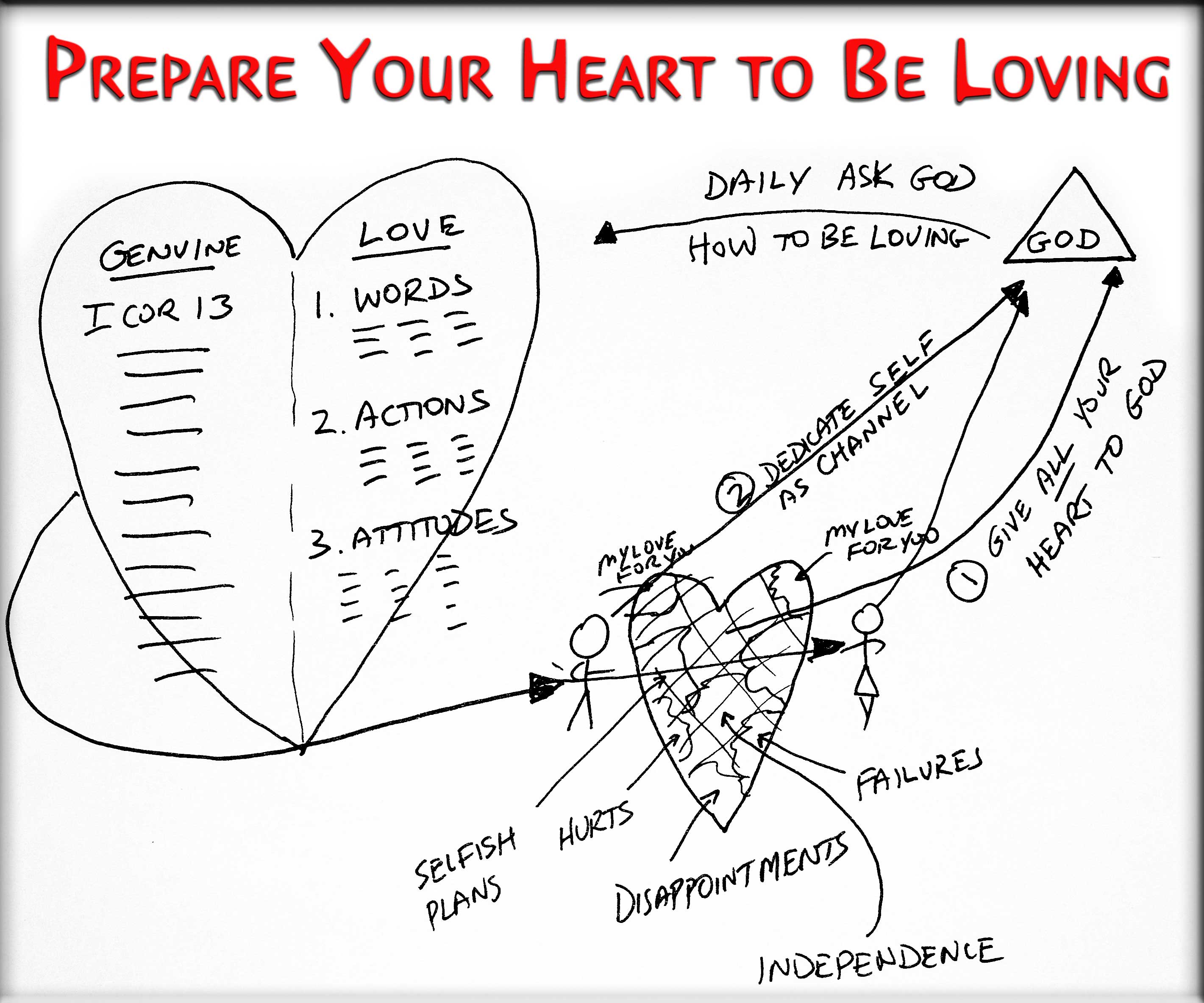
  • Rejoiceth not in iniquity: I will never think or speak of the wrongs of my spouse, especially to others,
  • but rejoiceth in the truth: I will courageously embrace truthfulness and honesty with my spouse,
  • Beareth all things: I will always bear my spouses irritations and failures and will always cover them with God’s forgiving love,
  • believeth all things: I will always believe the best of my spouse
  • hopeth all things: I will never cease to hope for God’s best in our marriage,
  • endureth all things: I will actively stand against any attacks or failings that threaten our love,
  • Charity never faileth: I will actively love my spouse forever!

If you desire a Sacred Marriage, to be TOTALLYMARRIED according to God’s Design, you must realize, you must fully embrace that Marriage is to be an ACTION VERB, not just a state of mind. It is to be not a LOVE RELATIONSHIP, but a LOVING RELATIONSHIP! Most importantly, you must realize that no man or woman can love their spouse with the ‘AGAPE’ love described in Romans 13. We must be dependent upon God for this LOVE. And if we possess God’s AGAPE Love in our heart, we will see that it is a dynamic force for LOVING our spouse. The Bible makes this abundantly clear:

The Bible Puts the LOVING in LOVE!

1. Put on love Colossians 3:14 (ESV)

  • And above all these put on love, which binds everything together in perfect harmony.

2. Follow after love 1 Corinthians 14:1 (ESV)

  • Pursue love, and earnestly desire the spiritual gifts, especially that you may prophesy.

3. Abound in love Philippians 1:9 (ESV)

  • And it is my prayer that your love may abound more and more, with knowledge and all discernment,

4. Continue in love Hebrews 13:1 (NLT)

  • Keep on loving each other as brothers and sisters. Keep on keeping on…

5. Increase in love 1 Thessalonians 3:12 (ESV)

  • and may the Lord make you increase and abound in love for one another and for all, as we do for you,

6. Be fervent in love 1 Peter 4:8 (NKJV)

  • And above all things have fervent love for one another, for “love will cover a multitude of sins.”

7. Spur each other to love Hebrews 10:24 (ESV)

  • And let us consider how to stir up one another to love and good works

1 Corinthians 16:14 (NIV) Do everything in love.

How to Turn a Nothing Marriage into Something

Marriage is an Impossible Union without the Agape Love of Jesus Christ Loving through you. The sooner you surrender your heart to allow God to Love through you, the Sooner you can become TotallyMarried according to God’s Design.

Let’s see how we can possess God’s AGAPE love. Let’s see how God can take a nothing and make him a something. God does the same for our marriages, making them dynamo’s of His Love.

1 Corinthians 1:26-31 (KJV) For ye see your calling, brethren, how that not many wise men after the flesh, not many mighty, not many noble, are called: But God hath chosen the foolish things of the world to confound the wise; and God hath chosen the weak things of the world to confound the things which are mighty; And base things of the world, and things which are despised, hath God chosen, yea, and things which are not, to bring to nought things that are: That no flesh should glory in his presence. But of him are ye in Christ Jesus, who of God is made unto us wisdom, and righteousness, and sanctification, and redemption and _____________: That, according as it is written, He that glorieth, let him glory in the Lord.

Of God are we IN CHRIST JESUS, who of God is made unto us whatever we need – love for our spouse…

We must come to the place where we realize we cannot love our spouse the way God loves them. We must see ourselves as nothing before God. He wants no pride in our lives. He wants only His strength and His love in our lives. So we go through the Cross in our marriage, realizing that we do not have His love, that we are nothing, and then we say, “Christ lives in me!, All that He has is mine. Christ is AGAPE Love! Let me be a channel of His AGAPE Love! Once we kneel before Him as nothing, through Jesus Christ, God makes us SOMETHING! He fills us with the most powerful Love in the universe – HIS LOVE!

God’s love must be allowed to energize you. YOU hold the key to how much you love and how much you are in love with your partner. YOU have it in your mind and heart to act lovingly or not. YOU have it in your power to be loving.But you must be willing to allow God to channel His love through you, to love even the ugliness in your spouse that you have been unable to.

Love is not something that just happens. And remaining in love with your partner most definitely will not happen unless you give everything you have to God and then allow Him to change your heart. You must become “loving’ toward your spouse.

Notice how it may feel to tell your spouse, “I am loving you,” rather than, “I love you.” The first describes something you are doing, not just something that may be a feeling similar to how you feel about your childhood friend of long ago. To help you see what it means to be ‘loving’ I recommend you have this ‘Loving Kit’ handy at all times.

The Loving Kit for Sacred Marriages

  • Toothpick: Matthew 7:1 Always pick out the good qualities in your spouse
  • Rubber Band: Romans 8:28 Be flexible, things do not always go the way you want.
  • Band-Aid: Colossians 3:12-14 Take time to offer a healing hand, one full of love & grace.
  • Pencil: Ephesians 1:3 Write down a blessing because of your spouse; add to your list of blessings daily.
  • Eraser: Romans 3:23 Erase the mistakes your spouse makes as they happen.
  • Mint: Proverbs 11:25 Do something to refresh your spouse as you enjoy this mint.
  • Hugs & Kisses: 1 Peter 5:14 Don’t let the sun go down without giving your spouse at least one kiss & hug.
  • Teabag: 1 Thessalonians 5:18 Stop, relax, and thank God for your spouse. Then thank them. Thankfulness goes a long way.

In order to Possess the Love of God in your heart, you probably need to do some HEART cleaning first.

Prepare Your Heart to Be Loving

If there is any resentment, any hatred, any hurt, any bitterness, any wrong relationships, any regrets, anything you are not thankful for, any wrong doing you are holding onto. You can’t have the Love of God because He doesn’t have all of your heart. You are blocking Him from some area of your life. If your spouse has wronged you and you haven’t forgiven them, you are blocking that area of your heart from God’s love. You will not hold the love of God in your heart!

Here’s what you need to do right now: Give your entire heart to God-all the pieces-all the rooms. Hold nothing back. Give your spouse to God; give all those expectations, that honey do list that never gets done. Give it all and say God, fill me with your love and allow that love to overflow toward my spouse.

If you want to rediscover those lost feelings for your spouse start by changing the way you view him. Falling into a trap where you only see the negatives in your husband is very easy to do. Make a concerted effort to only focus on the positive parts of him. Be vocal about how much you appreciate those things about him. Tell him and tell others. The more you verbalize what you find appealing about him, the more you’ll start to recognize and appreciate it.

Start doing small things for your spouse again. Quite often when a wife (or husband) starts to fall out of love with her husband she also begins to neglect him. If you did certain things early in the marriage, such as making his lunch, cooking his favorite dinner or washing his clothes, do that again. Once you start taking the time to do things for him you’ll likely see a change in him too. He’ll also want to do more for you which will help you to recognize those qualities in him that first attracted you to him.

The Loving Dare:

On two pieces of paper write the three questions below. Each partner gets one sheet of paper.

Both you and your partner answer the questions then guess how your partner will answer them. (Four answers each). Share your thoughts! Discuss your answers! Then throw it away (or give them to God. Remember, Agape Loving is not about you and your expectations, it is about being a channel of GOD’S LOVE. So while it helps to see your spouses wants and needs and be willing to meet them, you must do the thirds step in our Loving Dare, you must daily ask God to love your spouse through you in a way they have never been loved before.

The three questions:

1. What can I do to make our marriage better?
2. What would my spouse like me to do to keep our marriage alive and vibrant?
3. God, will you love my spouse through me as they’ve never been loved before?

The Ring of Death Silenced by Love

In seventeenth-century England during the time of General Cromwell, a soldier was condemned to die by execution at the ringing of the curfew bell. This soldier, however, was engaged to be married to a beautiful young girl. With tears, the girl pleaded with the judge and with Cromwell to spare his young life. But it was all in vain. The preparations were made for the execution, and the city awaited the signal from the bell at curfew. The sexton, who was old and deaf, threw himself against the rope, as he had for years. He pulled it and pulled it and pulled it, not realizing that no sound was coming from the bell. The girl had climbed to the top of the belfry, and had reached out, caught, and held on to the tongue of the huge bell at the risk of her life. As the sexton rang it, she was smashed against the sides of the bell…but the bell was silent. At length, the bell ceased to swing, and she managed to descend from the tower, wounded and bleeding. Cromwell, waiting at the place of execution, wanted to know why the bell had not rung. The girl arrived and told him what she had done. A poet recorded it for all time. This is what he said:

At his feet she told her story,
Showed her hands all bruised and torn;
And her sweet young face, still haggard
With the anguish it had worn;
Touched his heart with sudden pity,
Lit his eyes with misty light:
“Go, your lover lives,” said Cromwell,
“Curfew will not ring tonight.”

To what lengths are you prepared to go to silence the clanging, the arguing, the discord in your marriage.

To what lengths are you willing to go to change wrong and disrespectful attitudes built up over the years.

To what lengths are you willing to go to be Loving toward your spouse.

Are you willing to give your heart to God and be used by Him to be a channel of His love toward your spouse. Are you willing to let Gid use you to be actively loving toward His Son or daughter?

God has always been actively Loving you through His Son

Because of Jesus willing to go to the Cross, God threw a mantle over your sins, over every hurt and pain you caused Him, and He took the punishment for your sins, and not only that, he sympathised with our sinful flesh, and through the Power of the Cross offers us a way to be transformed from selfish sinners into Loving Saints. Sin, Satan and death have all been defeated through the cross, and you can share in that when you live your life by the Power of the Loving Cross.

That’s what God did for us. He didn’t just send a note to us saying He loved us. He didn’t just give us a loving kit. He sent His son to visibly express his Loving Heart & Ways!

Powerpoint

Sermon Video